No products match your search.
Ernest Shackleton's Cape Royds kitchen - built for an extreme life
Written by Andrew Nixon
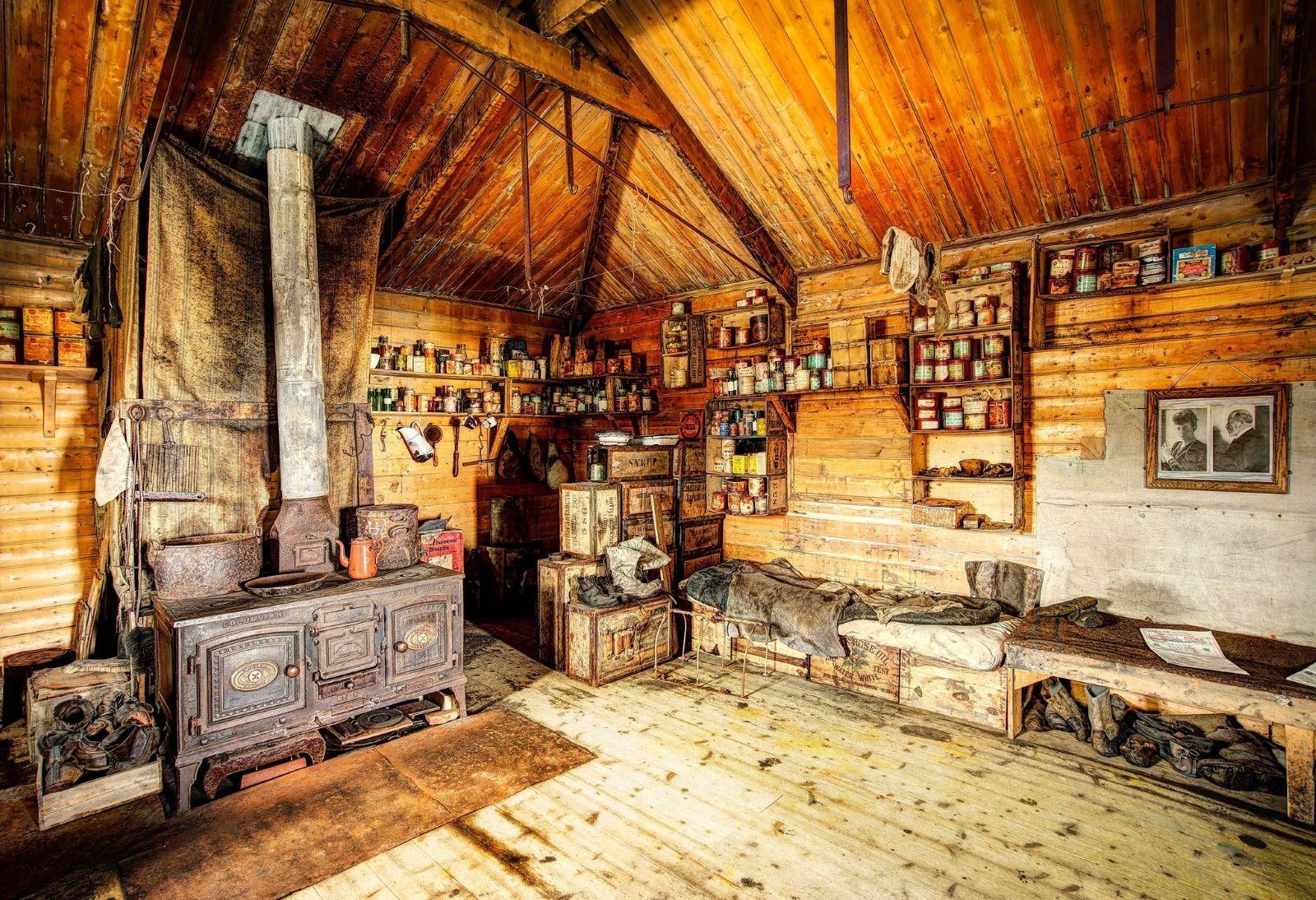
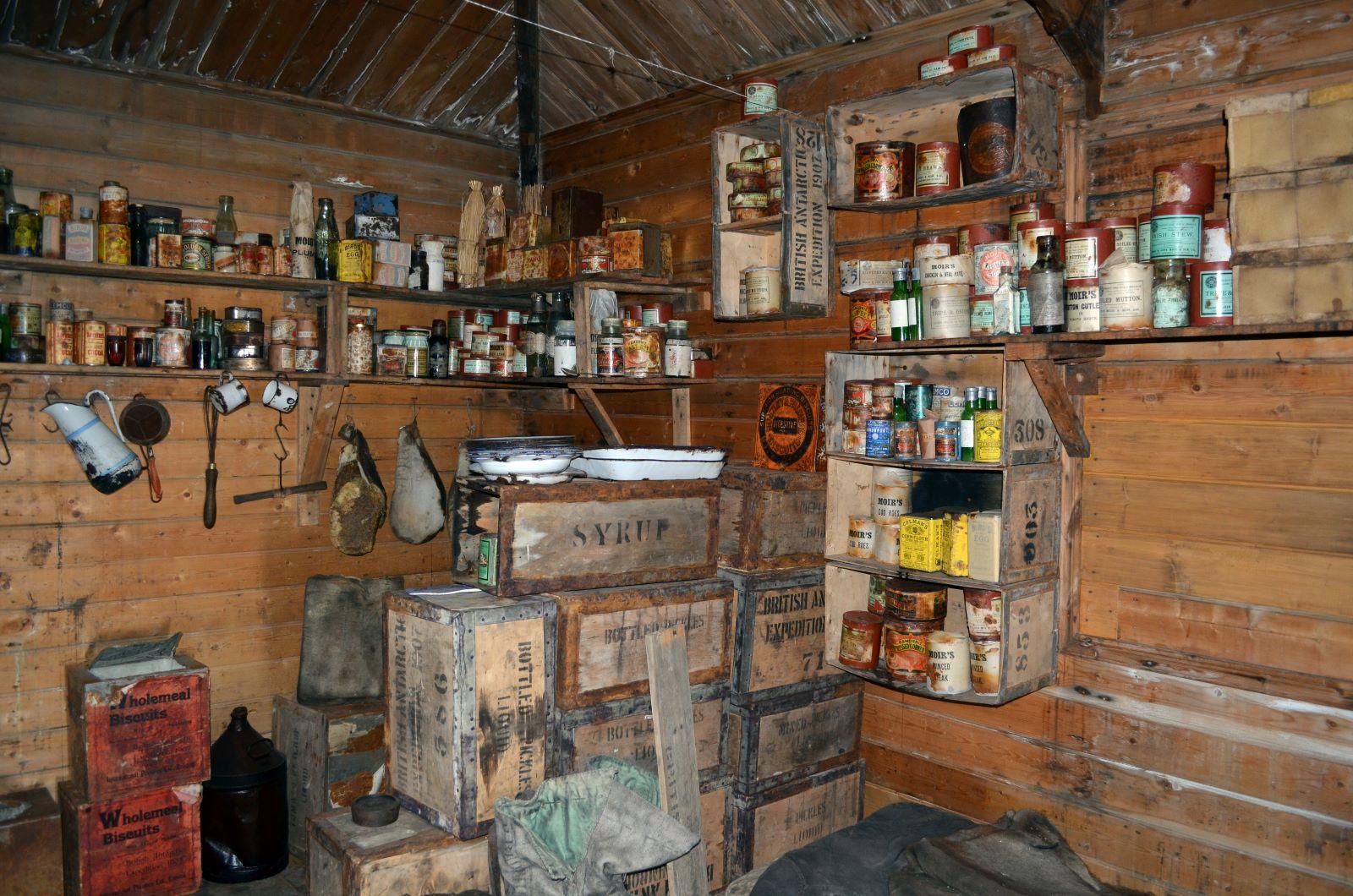
Sure it’s basic, but it shows an attention to detail and level of practical ingenuity that we love. Whoever built the units knew a thing or two about efficient storage – and note the cleverly upcycled food crate cabinets…
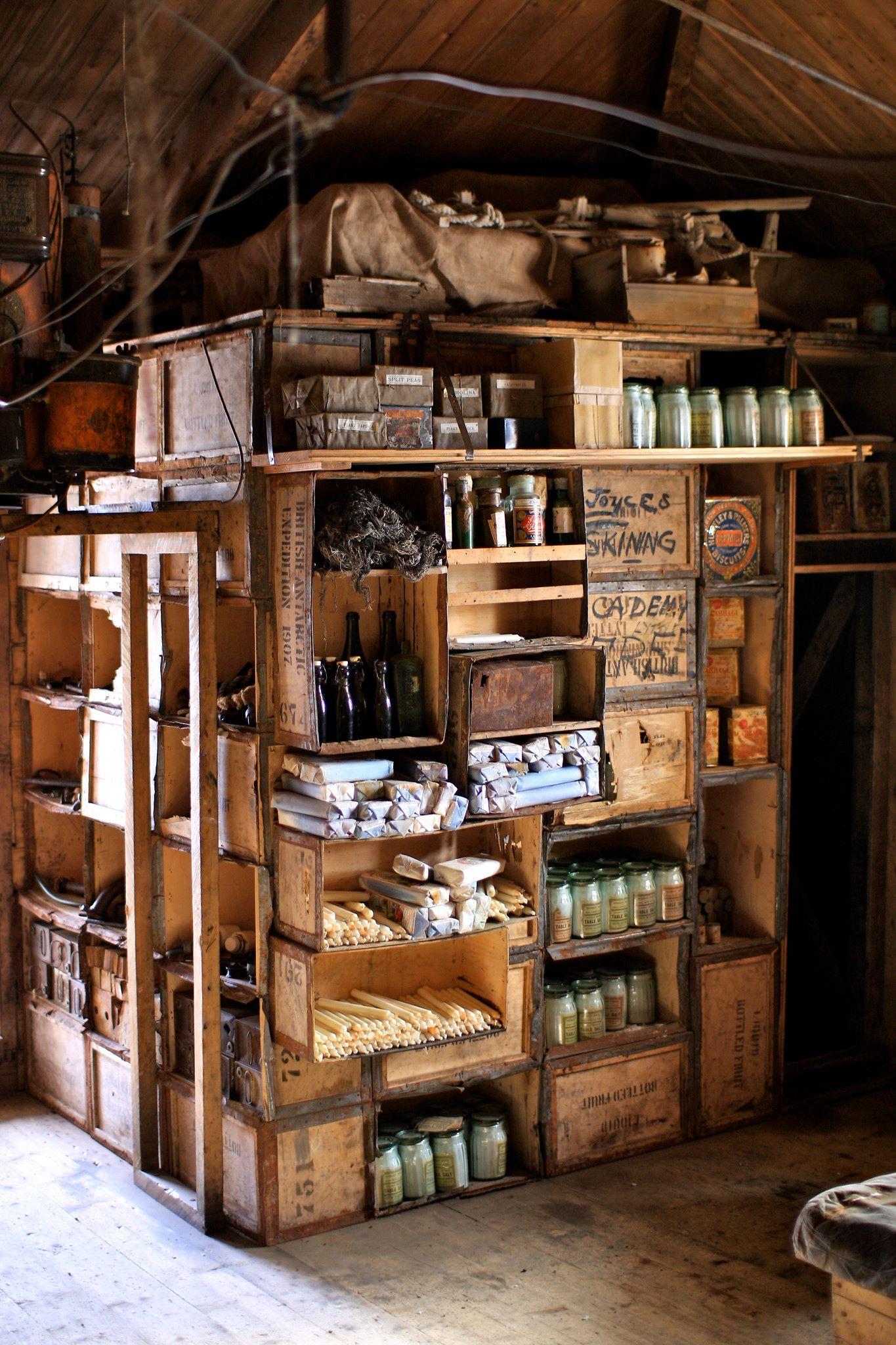
Photo: Johannes Ziecle Flickr via creative commons
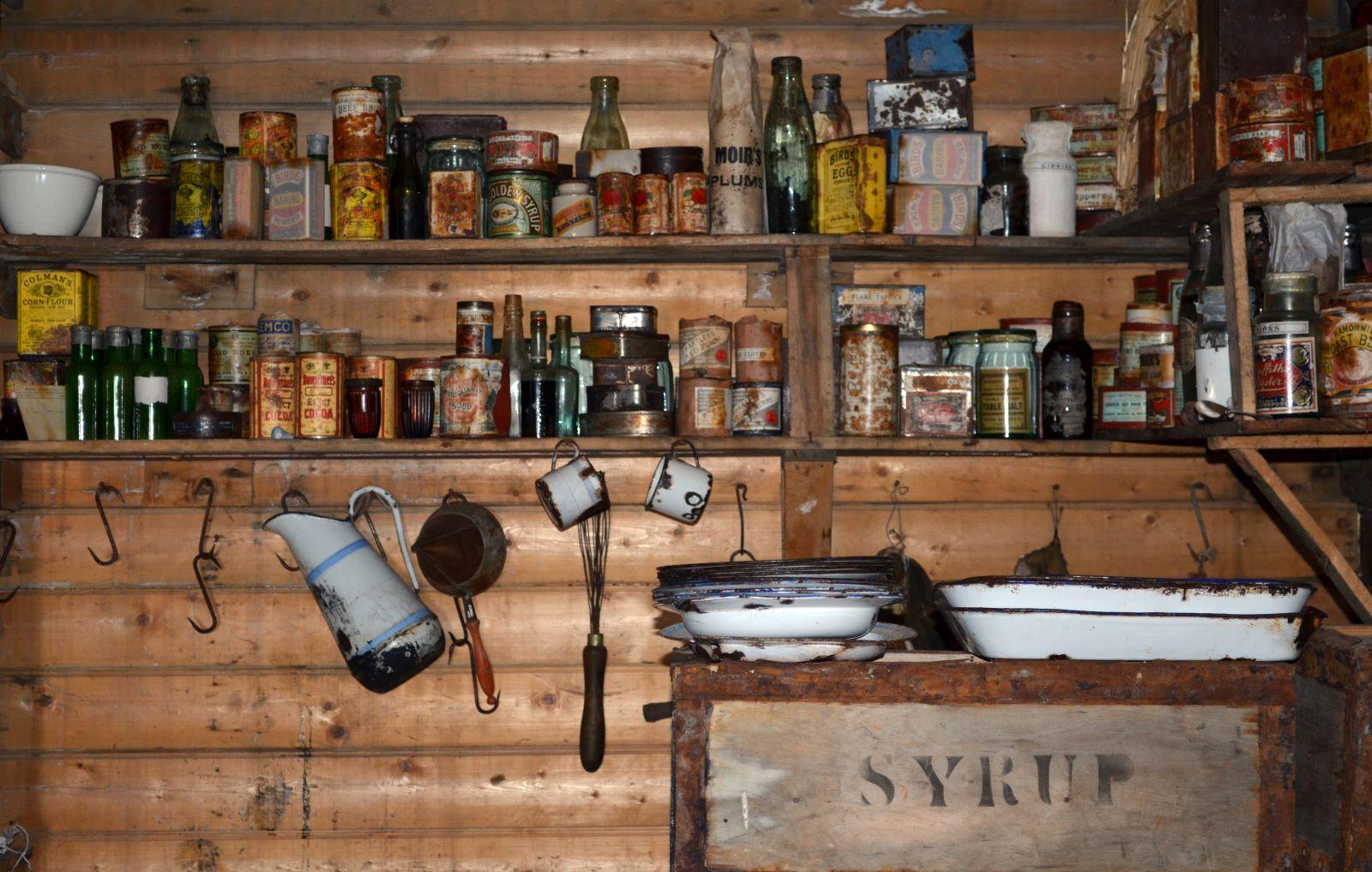
Photograph by Peter Rejcek. Public domain via United States Antarctic Program
It’s also really quite beautiful in its way… Exposed wood is very much back in of course, and some of the detailing here is highly desirable. We’re positively lusting after those colourful retro tins (though perhaps not so much for the food contents, such as the 800lb of canned meat including stewed rump steak, boiled mutton, and the no doubt delicious Moir’s Tripe & Onions.)
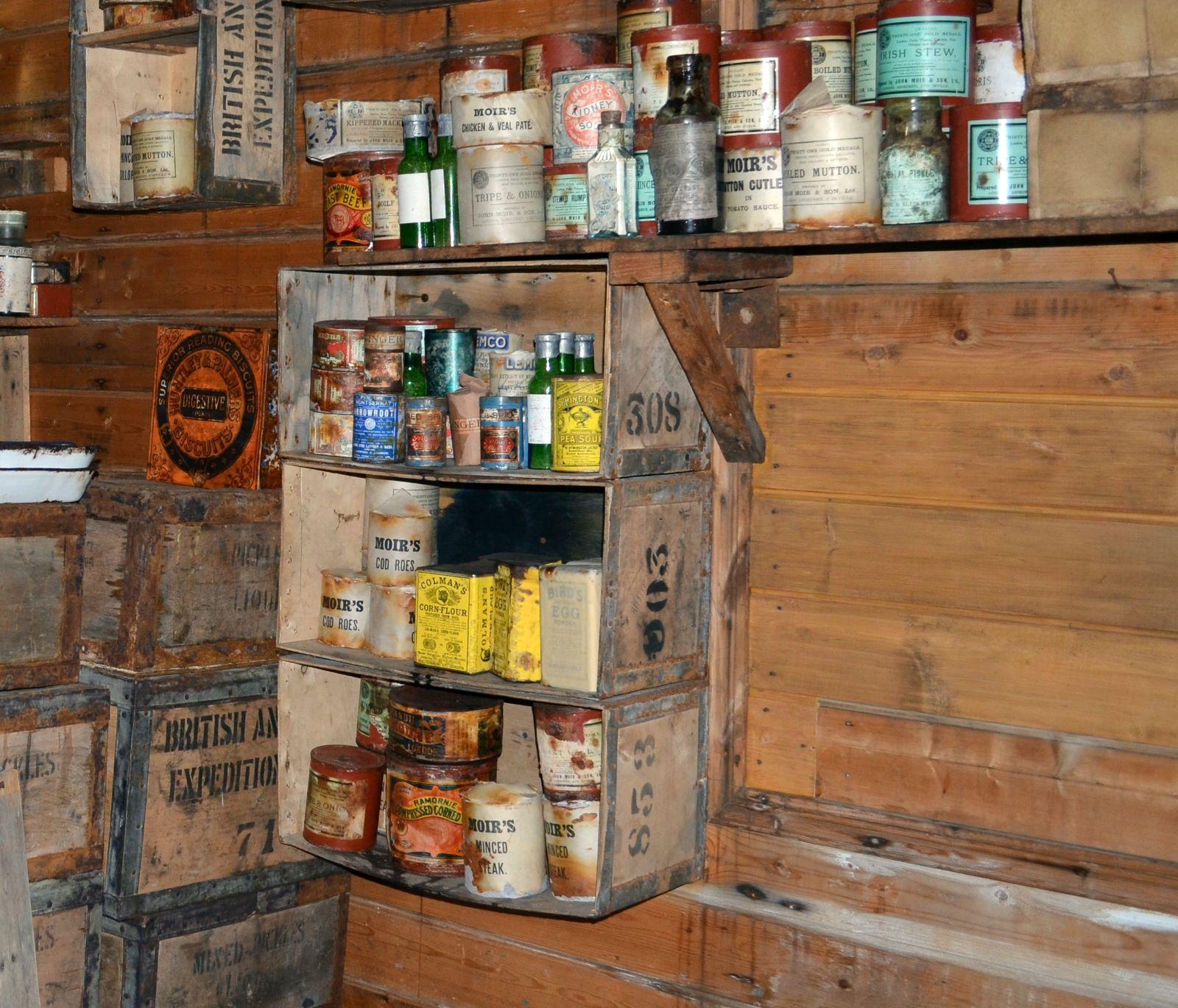
Photograph by Peter Rejcek. Public domain via United States Antarctic Program
The Cape Royds hut is preserved by the Antarctic Heritage Trust in the same condition as Shackleton built it as a base for the 1908 Nimrod expedition. Shackleton had accompanied Robert Falcon Scott on the pioneering Discovery expedition, and Nimrod was his attempt to be the first to reach the Geographic South Pole.
The ship arrived in the Antarctic dangerously overloaded, with a cargo including 15 men and 255 tonnes of coal, equipment and food, plus 15 Manchurian ponies, nine dogs, a four-cylinder Arrol-Johnston motorcar and the prefabricated timber hut. This had been specially designed for Shackleton by Humphreys Limited of Knightsbridge and had to be assembled on arrival at Cape Royds. That job took a week, but the structure proved extremely robust, protecting the men from everything the polar conditions could throw at them for 14 months, and still standing strong today.
Photograph by Peter Rejcek. Public domain via United States Antarctic Program
The expedition itself was a bit of a mixed bag. Shackleton managed to get further south than anyone had before and a party of five men notched up the first ascent of the Mount Erebus volcano. But the attempt to reach the South Pole was an agonising near miss.
Shackleton and three others set off in late 1908, planning to trek some 1,720 miles in 91 days. But progress was slow, and things got much worse after all four of their ponies died, meaning they had to man-haul their sledges for some two and half months. In early January 1909, just 97 miles from the South Pole, Shackleton made a decision that is still celebrated as one of the finest in polar exploration history and certainly saved his men’s lives: he turned for home.
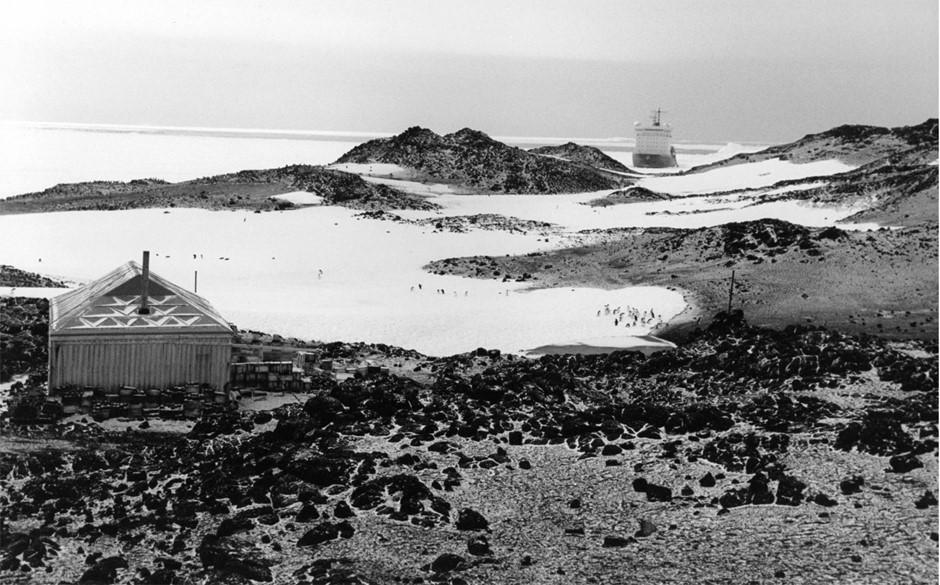
Cape Royds and Shackleton’s hut. Photo: Brocken Inaglory, CC BY-SA via Wikimedia Commons
The return journey was a grizzly business, slogging across ice and snow in a desperate race against starvation, frost-bite and exhaustion.
At one point, Shackleton gave his daily ration – a single biscuit – to flagging comrade Frank Wild, who later wrote: "All the money that was ever minted would not have bought that biscuit and the remembrance of that sacrifice will never leave me."
Just imagine how happy he would have been when he got back to that wonderful, life-saving kitchen…
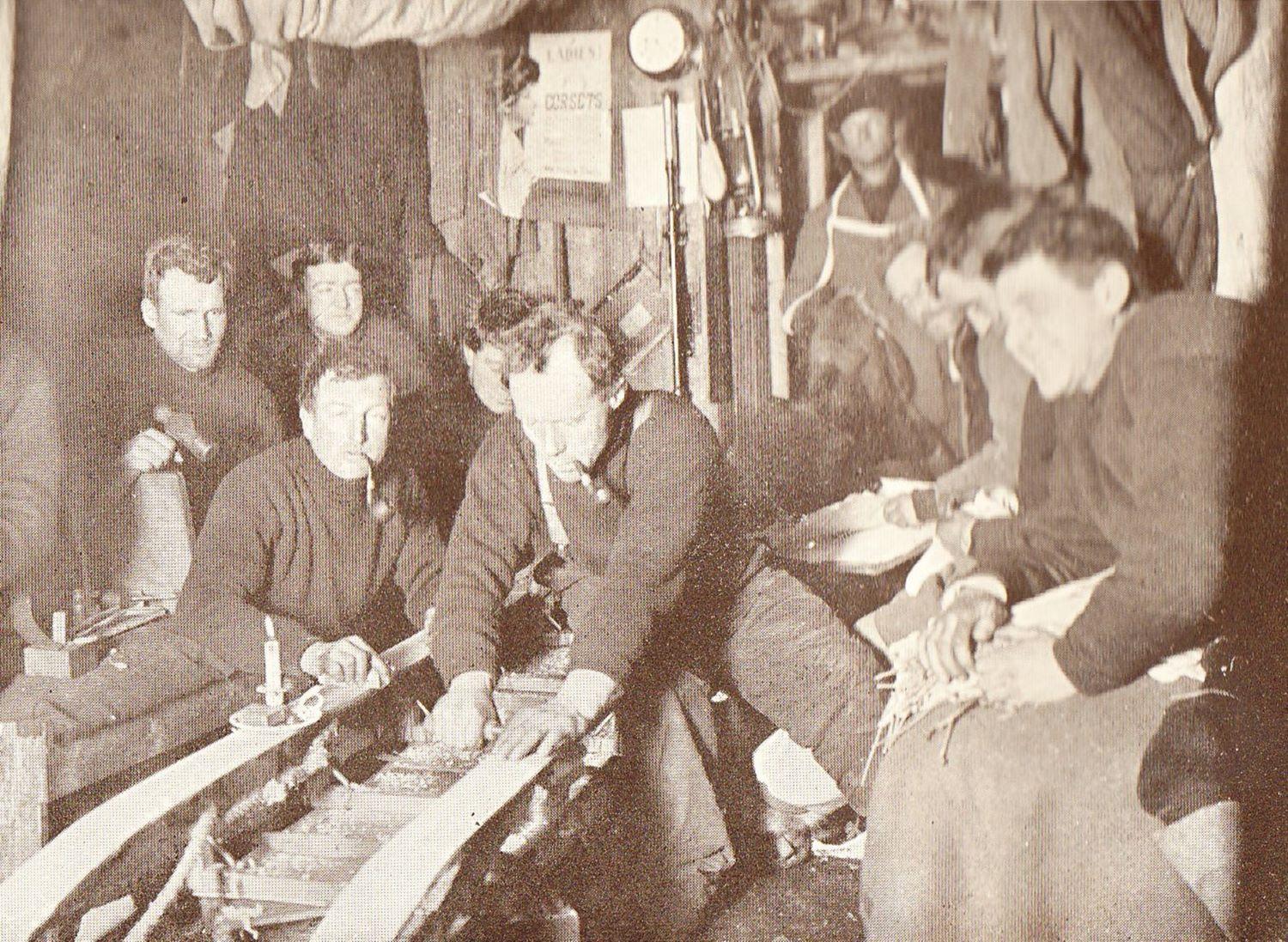
Inside the Cape Royds Hut, winter 1908. Frank Wild is working on the sledge, while Jameson Adams smokes a curved pipe. Shackleton’s head is peeping above Adams. Via creative commons
You can read more about Shackleton and the Nimrod expedition at the Antarctic Heritage Trust.
Image top: Trey Ratcliff via creative commons
Request a Brochure
To receive a digital copy of our brochure and regular updates from us, please complete your details below.