No products match your search.
Sage green kitchens – and how to get the look right
Written by Andrew Nixon
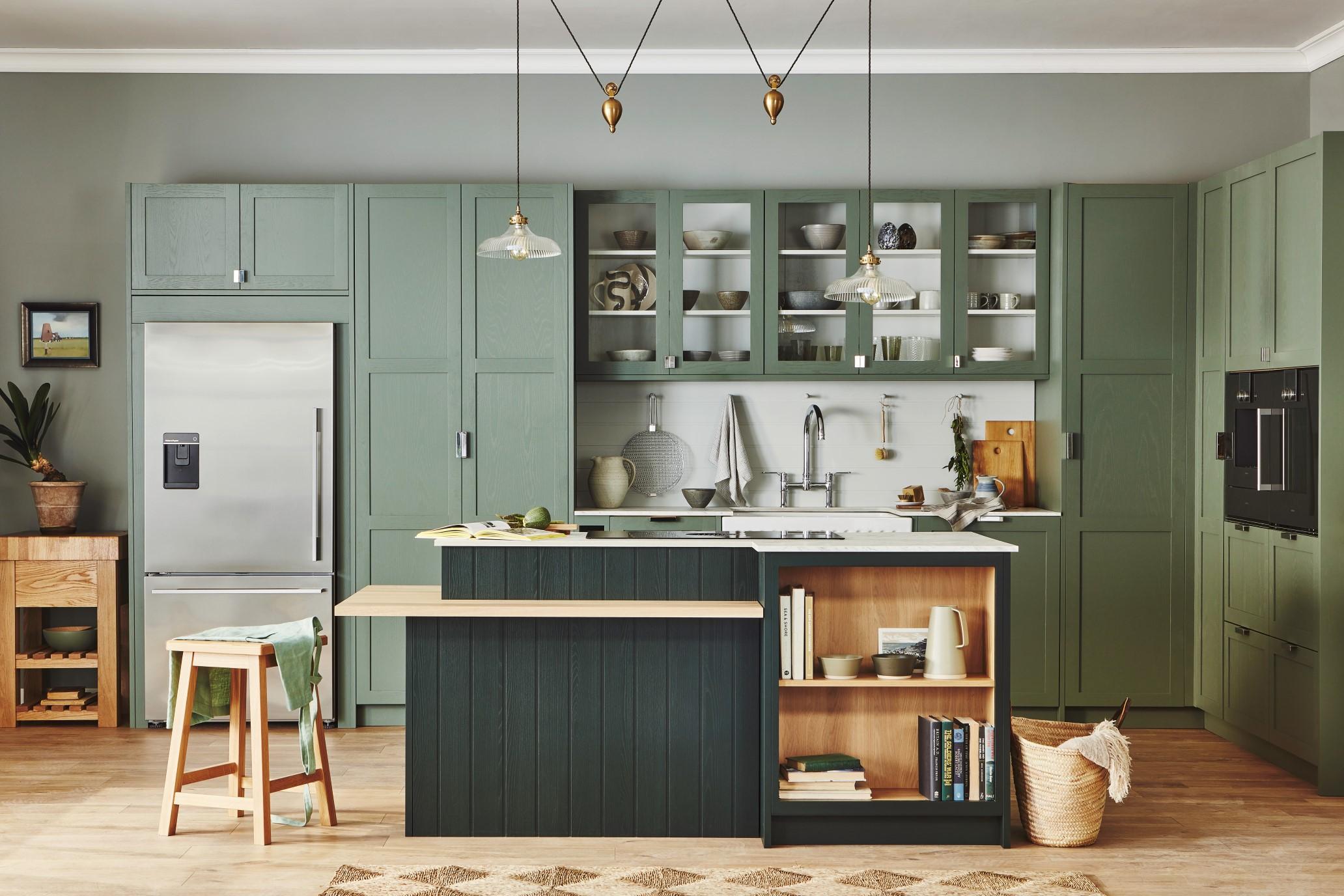
Sage green kitchens are everywhere – calming and effortlessly stylish. But achieving that look is not as straightforward as it might seem. Here’s how to get it right...
Sage green has become one of those colours that appears, at first glance, to be almost foolproof.
It’s softer than a dark green, more interesting than a neutral, and somehow manages to feel both contemporary and timeless at the same time. No wonder it’s become such a popular choice for kitchens.
But like most subtle colours, sage is all about balance.
The exact tone you choose – and what you pair it with – has a big impact on how the kitchen feels. Get it right, and it’s calm, warm and easy to live with. It’s a simple idea on the surface, but one where the details really matter.
What actually counts as sage green?
“Sage” is one of those colour terms that gets used quite loosely, and it can mean slightly different things depending on context.
In broad terms, sage sits somewhere between green and grey. It’s muted and softened rather than vibrant, and often has a slightly dusty quality, which is what gives it that calm, understated feel.
But it’s not a single, fixed shade – it’s more of a spectrum.
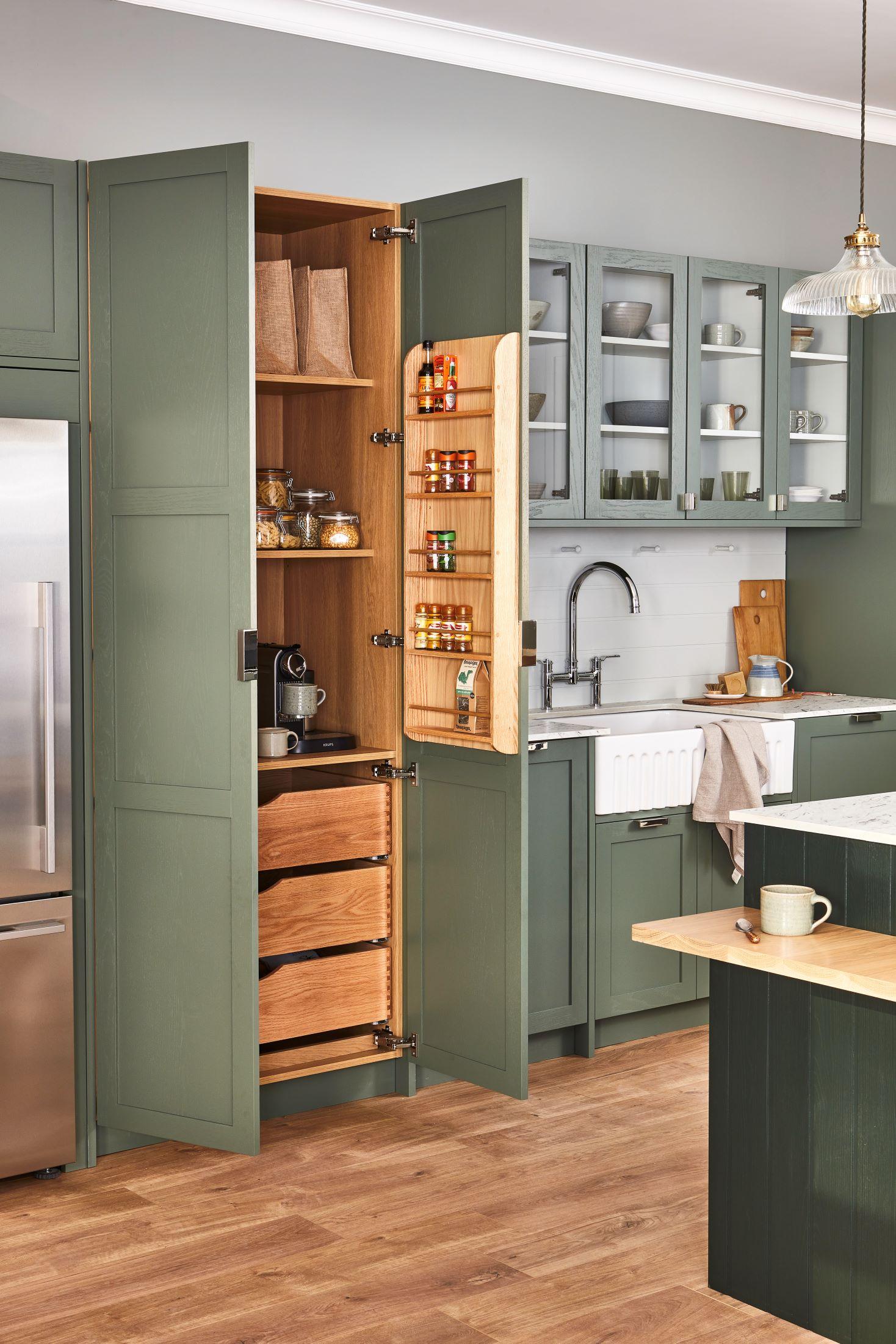
The larger cabinets in the St Giles kitchen are what you might call a classic sage, soft and slightly greyed:
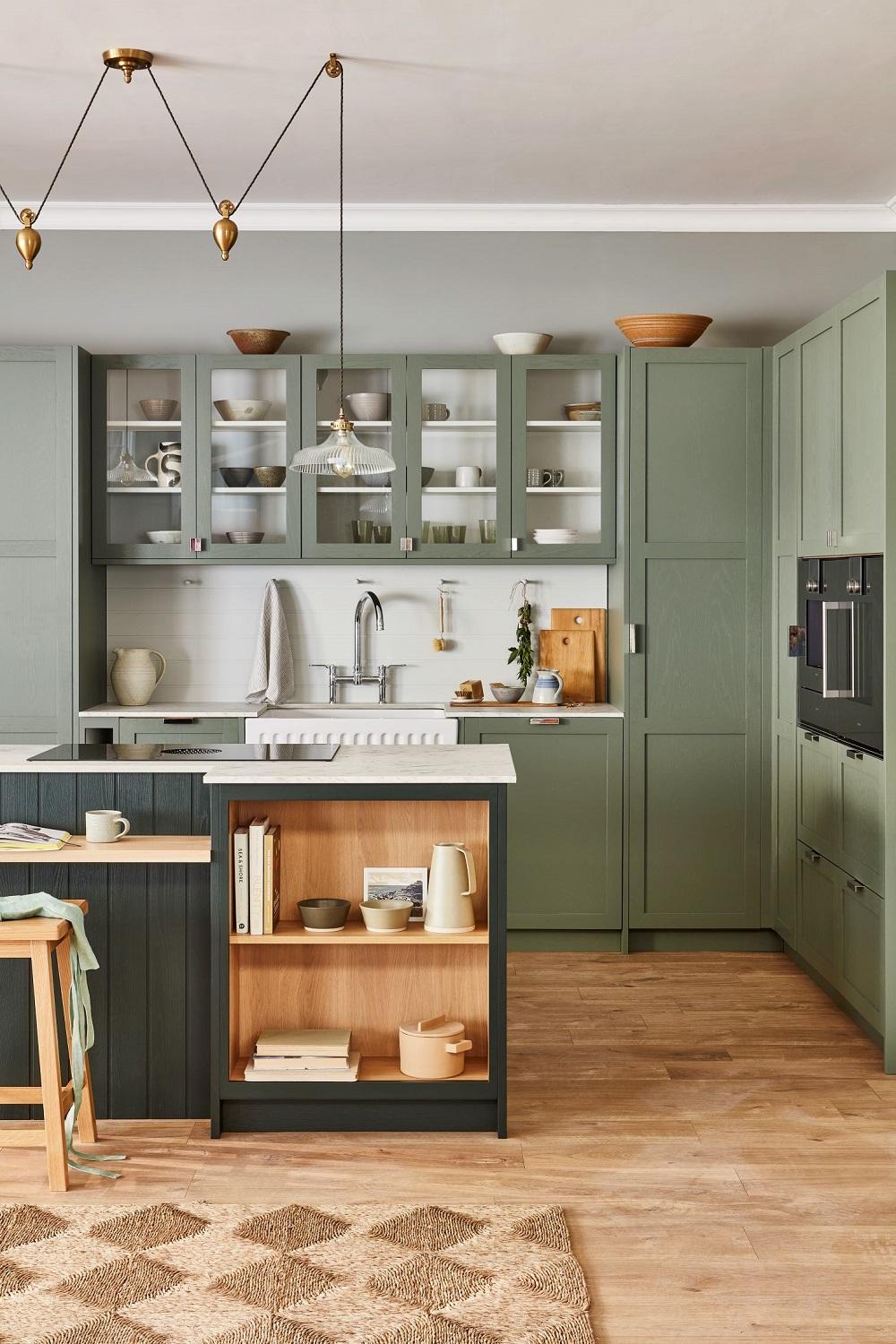
The St Giles kitchen
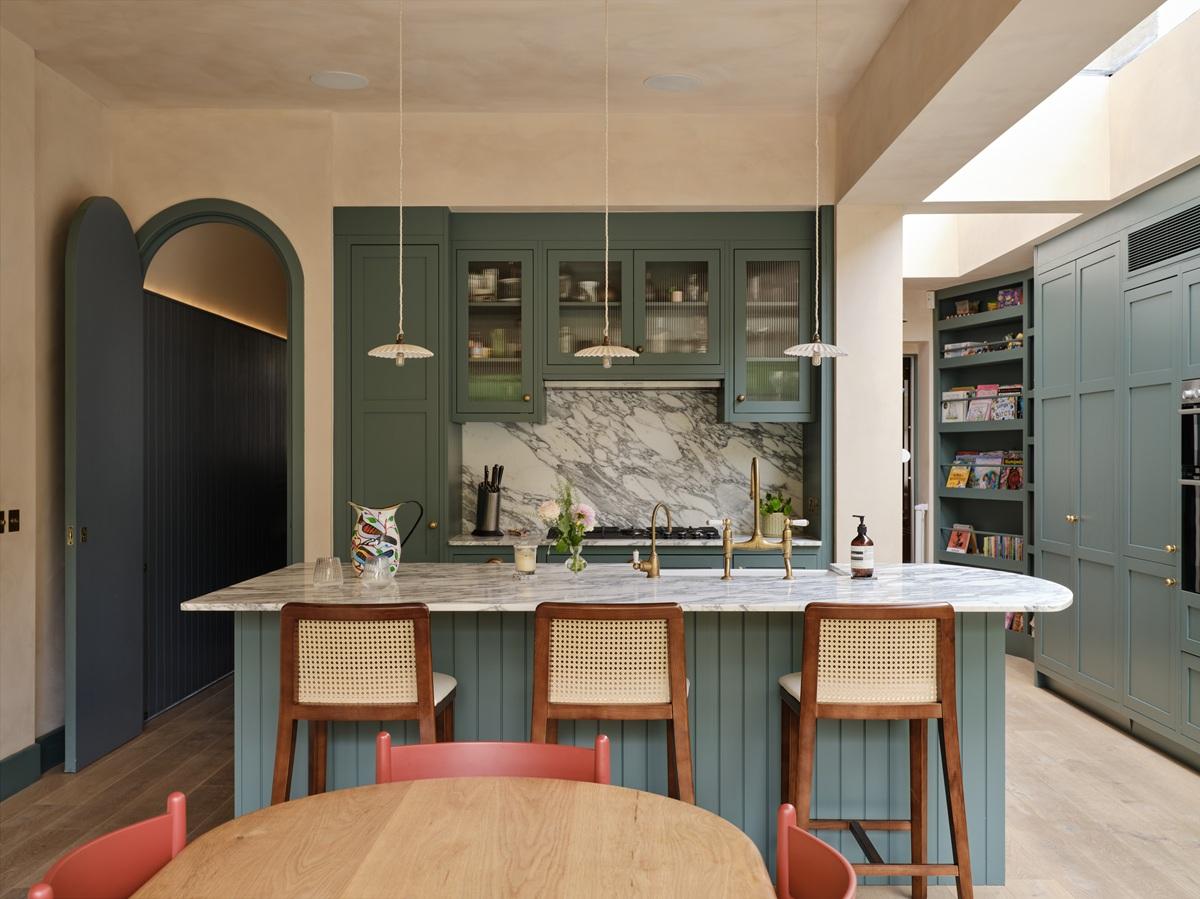
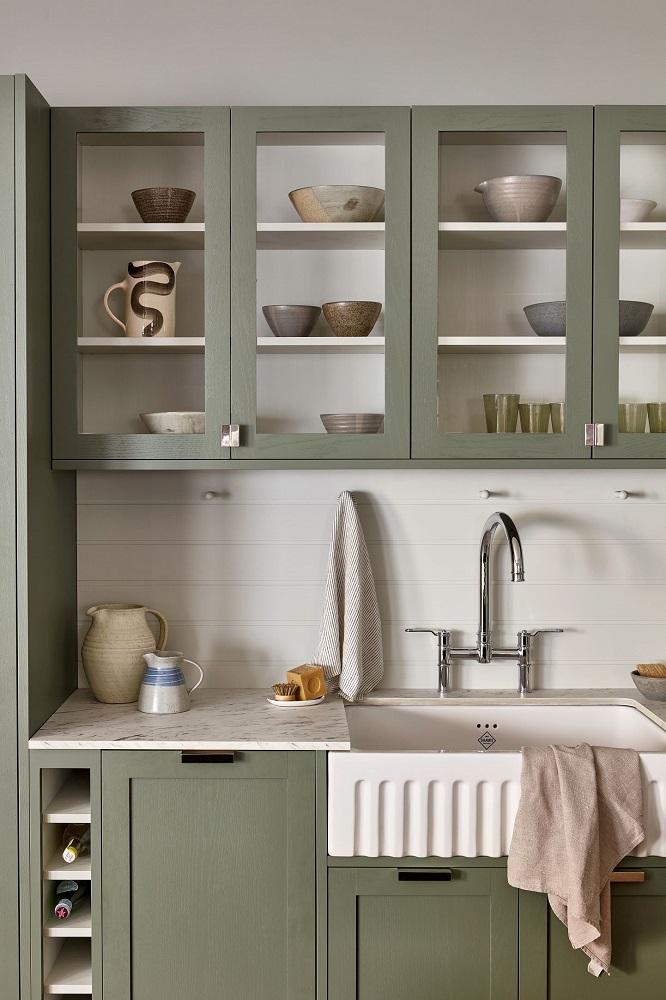
The Queen’s Park kitchen is a deeper, richer green that still sits comfortably in the sage family:
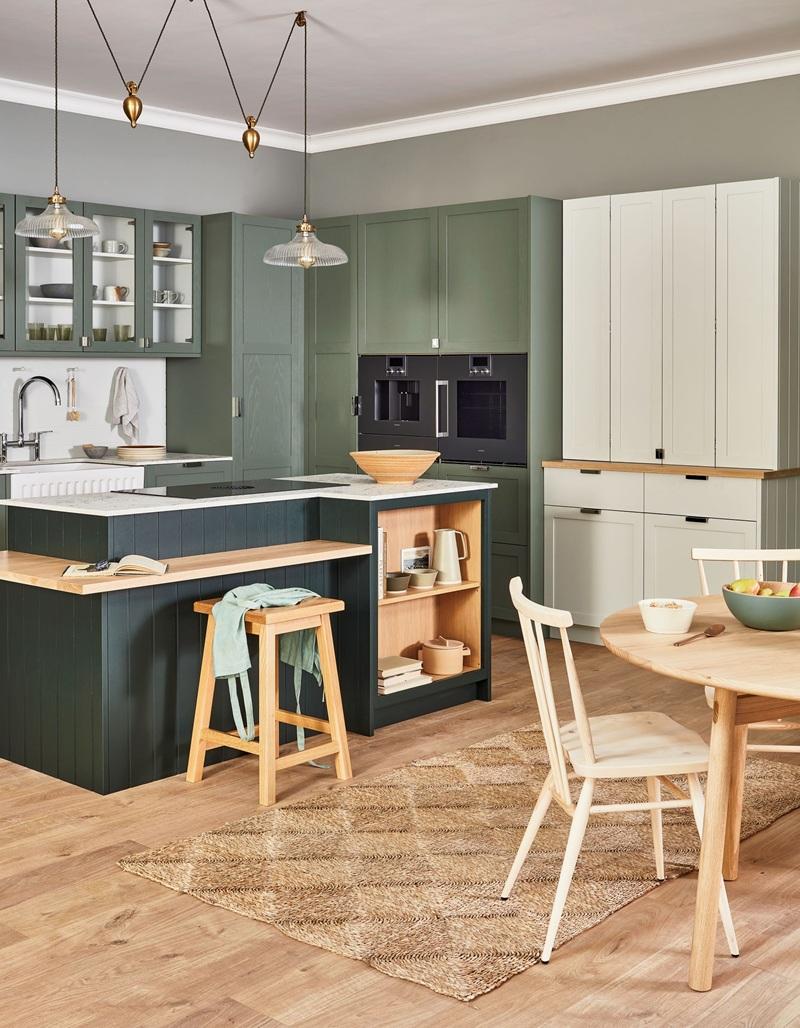
Meanwhile the Kingston kitchen is a fresher, blue-leaning green, which feels lighter and more contemporary:
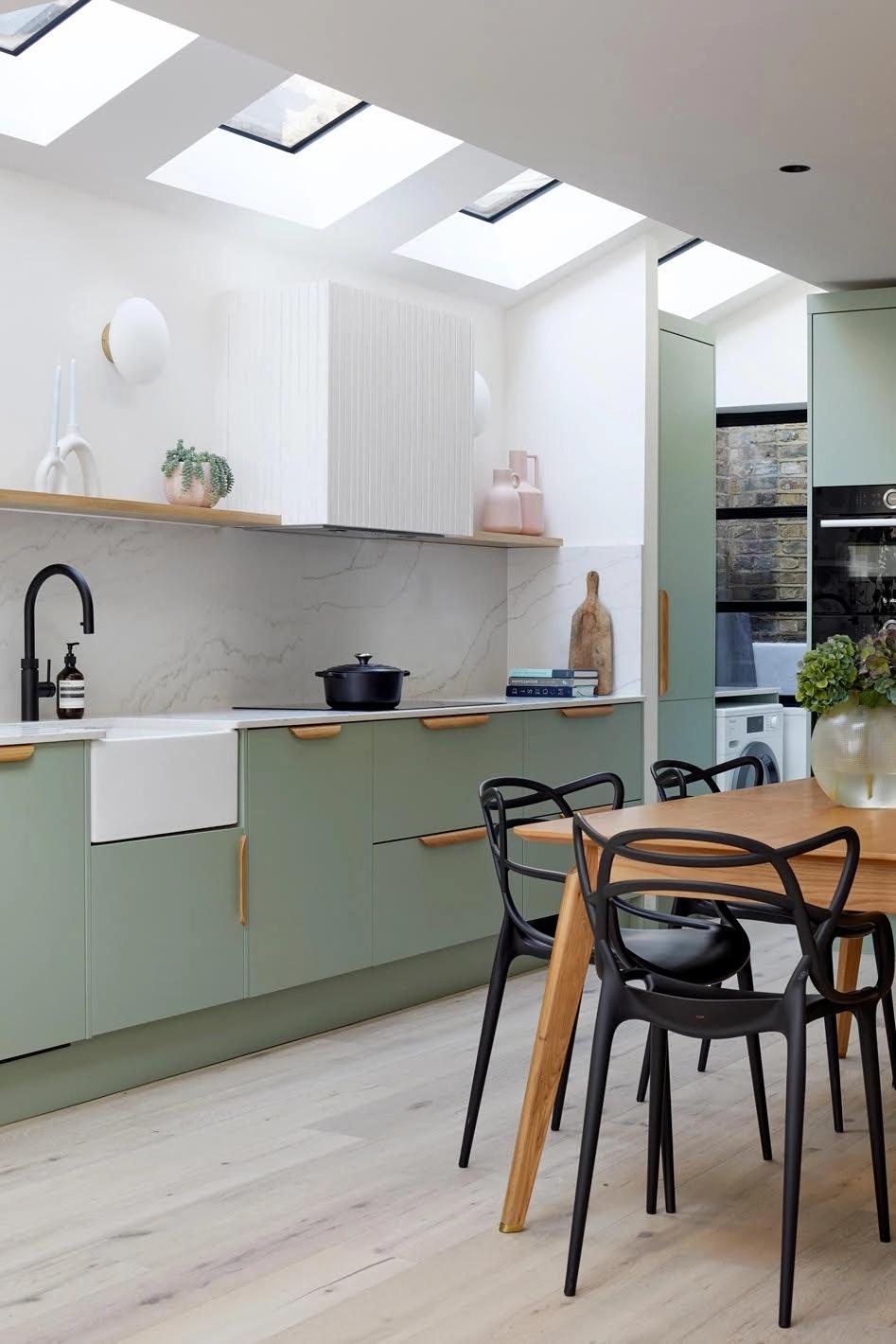
The Kingston kitchen
Seeing them together, it becomes clear how small shifts in tone can subtly change the character of a kitchen, even when everything sits within a similar colour family.
Why sage works so well in kitchens
When it’s right, sage has a particular quality that suits kitchens beautifully: it softens a space without dulling it.
Where a pure white kitchen can sometimes feel stark, and darker greens can feel quite assertive and bold, sage sits comfortably in between, so it has presence, but it doesn’t dominate.
It’s also a colour that tends to sit well with the way kitchens are actually used. It’s great for everyday life because it looks good in changing lights and brings a soothing calm to the general busyness of a working room.
And because it isn’t particularly tied to a single look or historic style, it can feel classic or contemporary depending on what you pair it with.
What to pair sage green with
Because sage is relatively subtle, the materials around it play a big role in shaping the overall feel of the kitchen.
Timber – the natural partner
Sage and timber are a very natural pairing.
Lighter timbers like oak create a relaxed, almost Scandinavian feel, where the whole space feels light and informal. Darker timbers such as walnut introduce more contrast and depth, giving the same sage cabinetry a more grounded, slightly richer character.
It’s often this combination – soft green and natural wood – that gives sage kitchens their sense of warmth and ease.
Stone and worktops – setting the tone
Pair it with a pale marble or quartz, and the result is fresh and classic, with just enough contrast to keep things interesting. Or go for something darker or more heavily veined, and the kitchen takes on a more architectural feel.
Timber worktops can work beautifully too, particularly if you’re aiming for something softer and more relaxed.
Metals – small details with a big impact
Because sage is understated, hardware choices become more noticeable.
Brass or warmer metallic finishes tend to bring out the warmth in the colour, giving the kitchen a slightly richer, more inviting feel. Cooler metals like chrome or nickel create a cleaner, sharper look.
Neither approach is right or wrong – they just lead the design in slightly different directions.
Sage green in real kitchens
In practice, kitchens rarely sit at one exact point on a colour chart.
A very pale green might feel lighter and airier, while a slightly deeper tone adds contrast and definition. Both can sit comfortably within the same broader “sage” family, depending on how they’re used.
The key is how the colour works in context – with the light in the room, the materials around it, and the overall feel you want to create.
Making the most of sage
Sage is often described as an easy, safe choice – but like any colour, it benefits from a bit of thought.
A few simple principles make a big difference:
- Keep some contrast – Let the sage sit against other tones, whether that’s timber, stone or a contrasting wall colour – rather than matching everything too closely.
- Think about warmth – Slightly warmer whites and natural materials tend to sit more comfortably alongside sage than very cool, crisp tones.
- Let materials do their job – Because sage is subtle, the textures and finishes around it help bring the whole scheme to life.
- Consider the light – Natural and artificial light will shift how the colour reads throughout the day, so it’s always worth seeing samples in situ.
Going green…
Sage green kitchens often look effortless, which is part of their appeal.
But that sense of ease usually comes from a series of considered decisions – about tone, about materials, and about how everything works together in the space.
Get those things right, and sage can be one of the most rewarding and liveable colours you can choose.
If you’d like to explore the wider world of green kitchens, you can also take a look at our guide to green kitchen ideas or browse our collection of green kitchen designs – or talk to one of our designers about creating something tailored to your space.
Request a Brochure
To receive a digital copy of our brochure and regular updates from us, please complete your details below.