


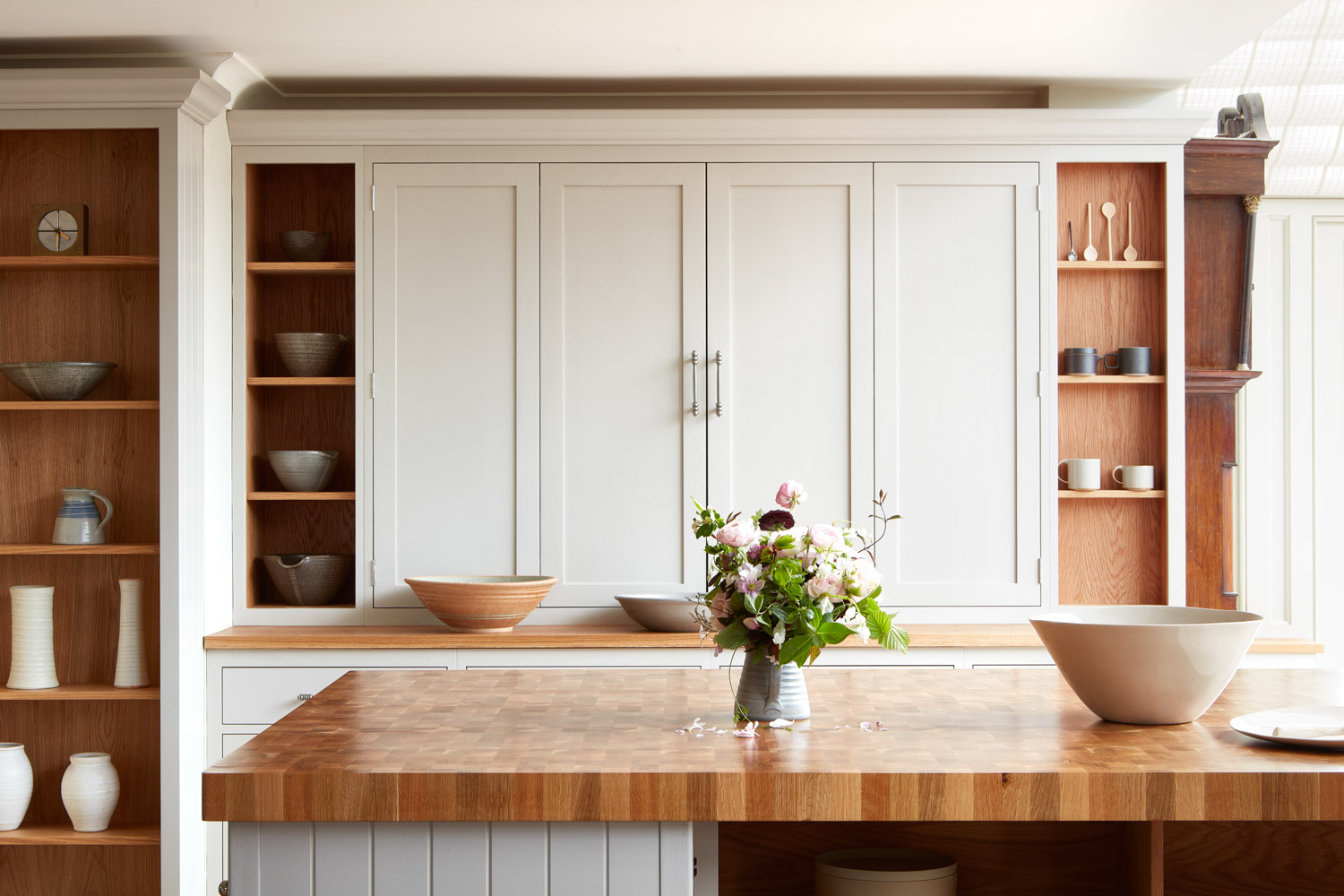
There’s no such thing as the “best” kitchen worktop – only the one that works best for the way you live...
If you’ve started researching kitchen worktops, you’ll already have seen plenty of articles promising to reveal the best option.
But the truth is that there is no single “best” kitchen worktop. There’s only the one that works best for how you live, how you cook, how you gather, and how you want your kitchen to feel every day. This guide is about helping you find that worktop…
(See also: Kitchen Worktop Ideas: Materials, Styles & Expert Guide)
There’s no such thing as the “best” kitchen worktop
Let’s get this out of the way early. The best kitchen worktop isn’t automatically the most expensive stone, the toughest engineered surface, or the one that happens to be popular right now.
Those comparisons can be useful, but they’re only half the story. A worktop doesn’t exist in isolation – it’s part of a working kitchen, a family home, a daily routine. What’s “best” in one household might be completely wrong in another.
At Naked Kitchens, we’ve learned that the right place to start isn’t with materials, but rather, with you.
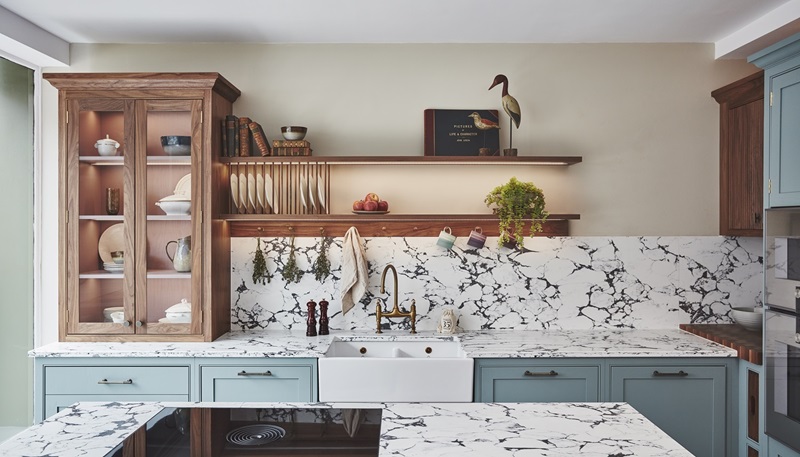
Start with how you actually use your kitchen
Before thinking about stone versus wood, or quartz versus marble, it’s worth asking a few honest questions about everyday life.
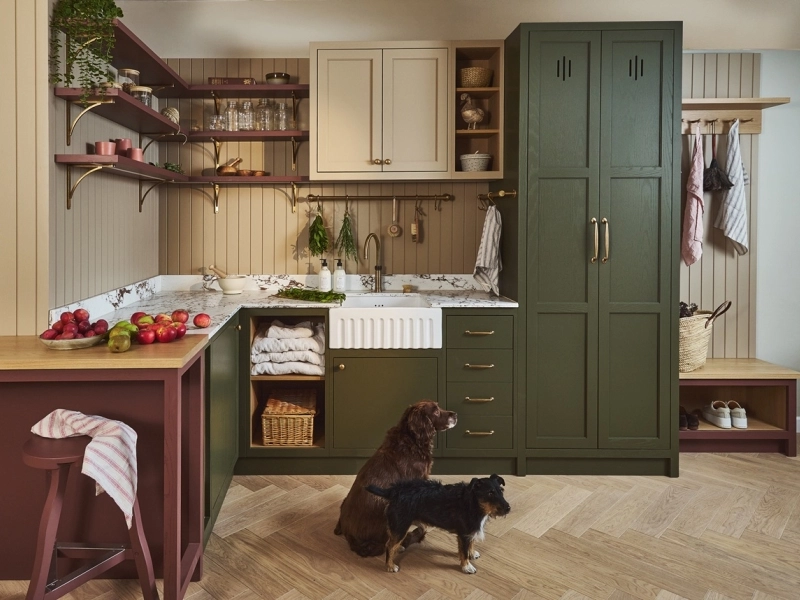
Busy family kitchens
If your kitchen sees constant traffic – children, homework, packed lunches, last-minute dinners – you’ll probably value resilience and convenience. Low-maintenance, forgiving surfaces such as quartz are often a sensible choice, taking spills and knocks in their stride.
Keen cooks and bakers
If cooking is a joy rather than a chore, the feel of a surface matters as much as its durability. Natural materials like wood or stone can be wonderful to work on, especially where heat resistance and generous prep space are priorities.
Entertainers and social kitchens
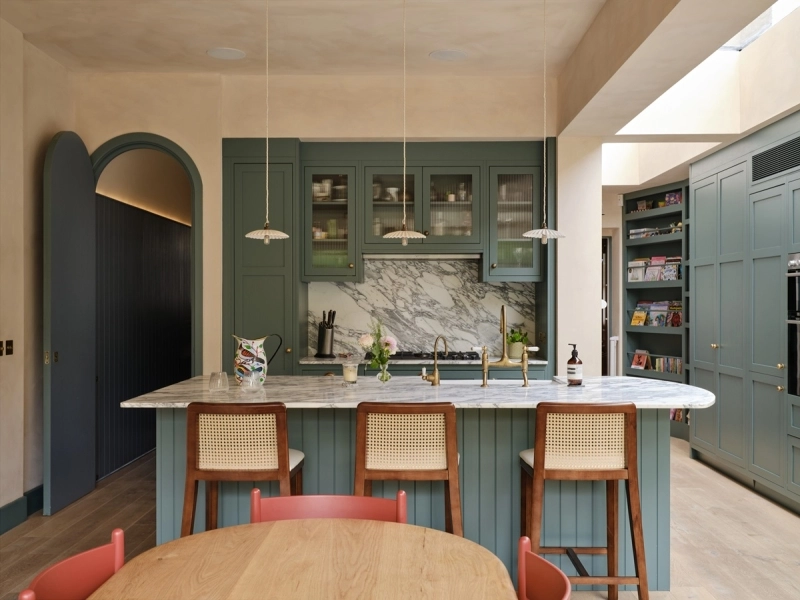
For those who love hosting, the worktop often becomes a stage. Islands topped in marble or dramatic stone bring visual impact and a sense of occasion, especially in open-plan spaces where the kitchen is always on show. Waterfall islands also look spectacular.
Calm, everyday kitchens
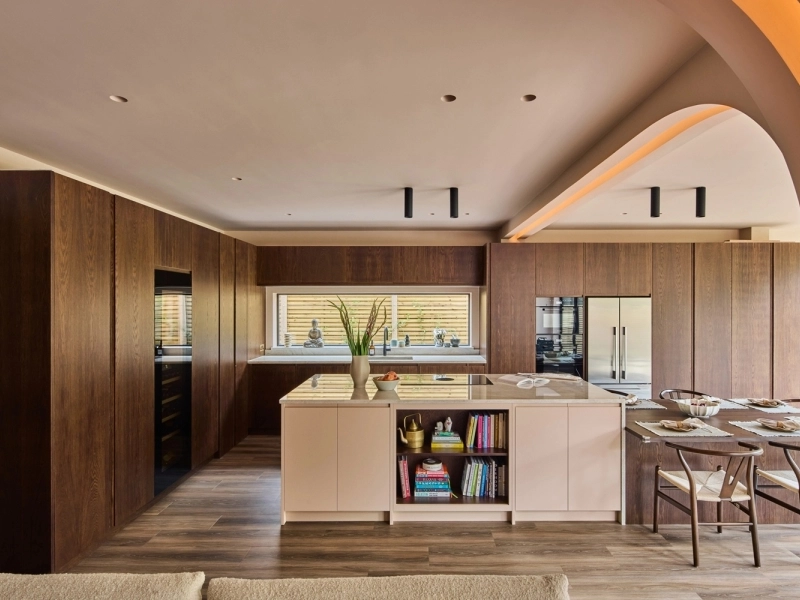
Some people want their kitchen to quietly get on with the job. Clean lines, consistent finishes and low-fuss materials can help create a space that feels calm and ordered, even on busy days.
None of these approaches is more “correct” than another – they’re simply different ways of living.

A word about maintenance
Every worktop material involves trade-offs. It’s worth understanding them, but there’s no need to be frightened off natural materials or seduced by the idea of “zero maintenance”.
- Quartz is popular because it’s non-porous, stain-resistant and easy to live with. It’s a great option if you want consistency and minimal upkeep.
- Solid wood needs occasional oiling and a bit of mindfulness around standing water, but it can be sanded and refreshed, and it ages with a warmth that many people love.
- Natural stone like marble or granite may need sealing and care, but each slab is unique – and the gentle patina that develops over time is part of its appeal.
And remember, low maintenance doesn’t mean no maintenance at all – and, anyway, a little interaction is part of the joy of living with your kitchen.
See also: Cleaning and caring for kitchen worktop surfaces - tips for all types of material
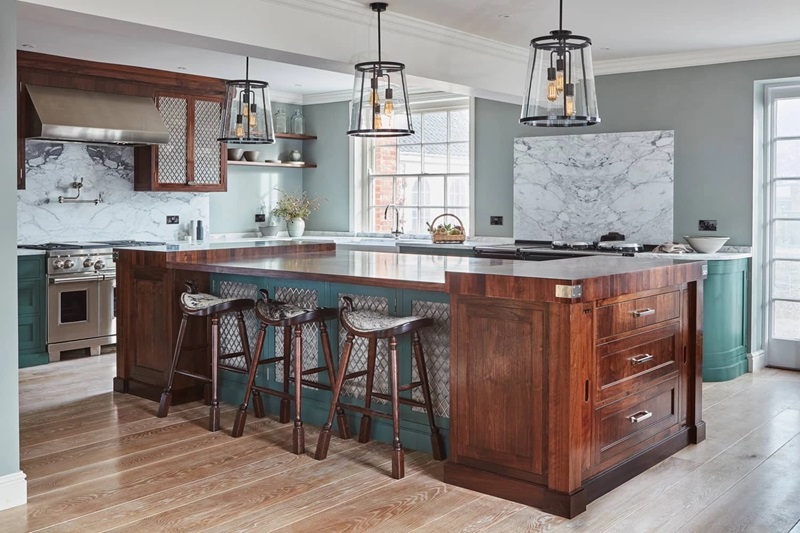
Character or convenience?
One useful way to think about worktops is in terms of character versus convenience.
Engineered materials tend to offer consistency, predictability and ease. Natural materials offer variation, texture and individuality. Neither is inherently better – they just offer different pleasures.
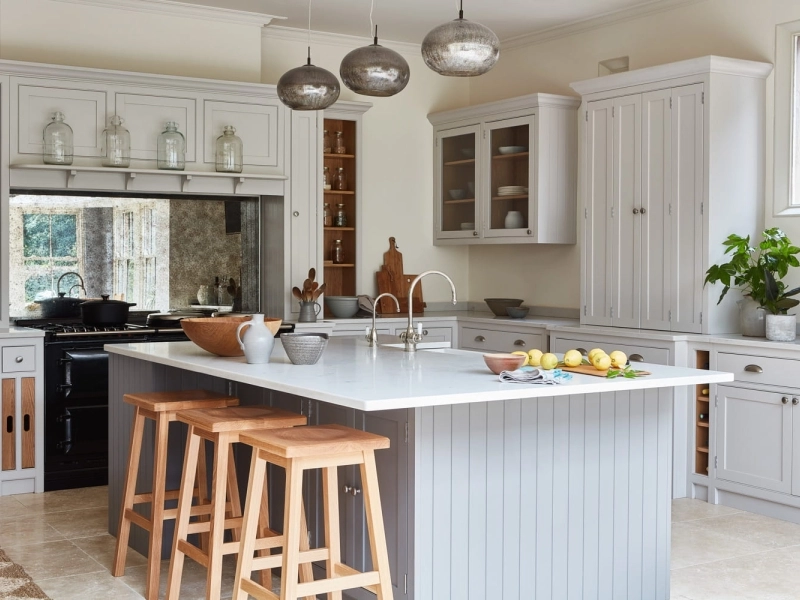
In fact, many of the most successful kitchens combine the two. A robust quartz surface where most of the prep happens, paired with a timber or stone island that brings warmth and character. Practical where it needs to be; expressive where it can be.
This kind of mixing and matching also helps a kitchen feel truly personal and unique to you.
When mixing worktops makes more sense than choosing one
One of the most common assumptions we gently challenge is the idea that a kitchen must have a single worktop material throughout.
In reality, mixing surfaces often leads to better kitchens.
- Islands can take a more expressive material, while perimeter runs stay practical.
- Prep zones can be robust; social zones can be warmer or more tactile.
- Breakfast bars can soften a space with timber, even in an otherwise contemporary scheme.
This approach allows the kitchen to respond to different uses, rather than forcing one material to do everything.
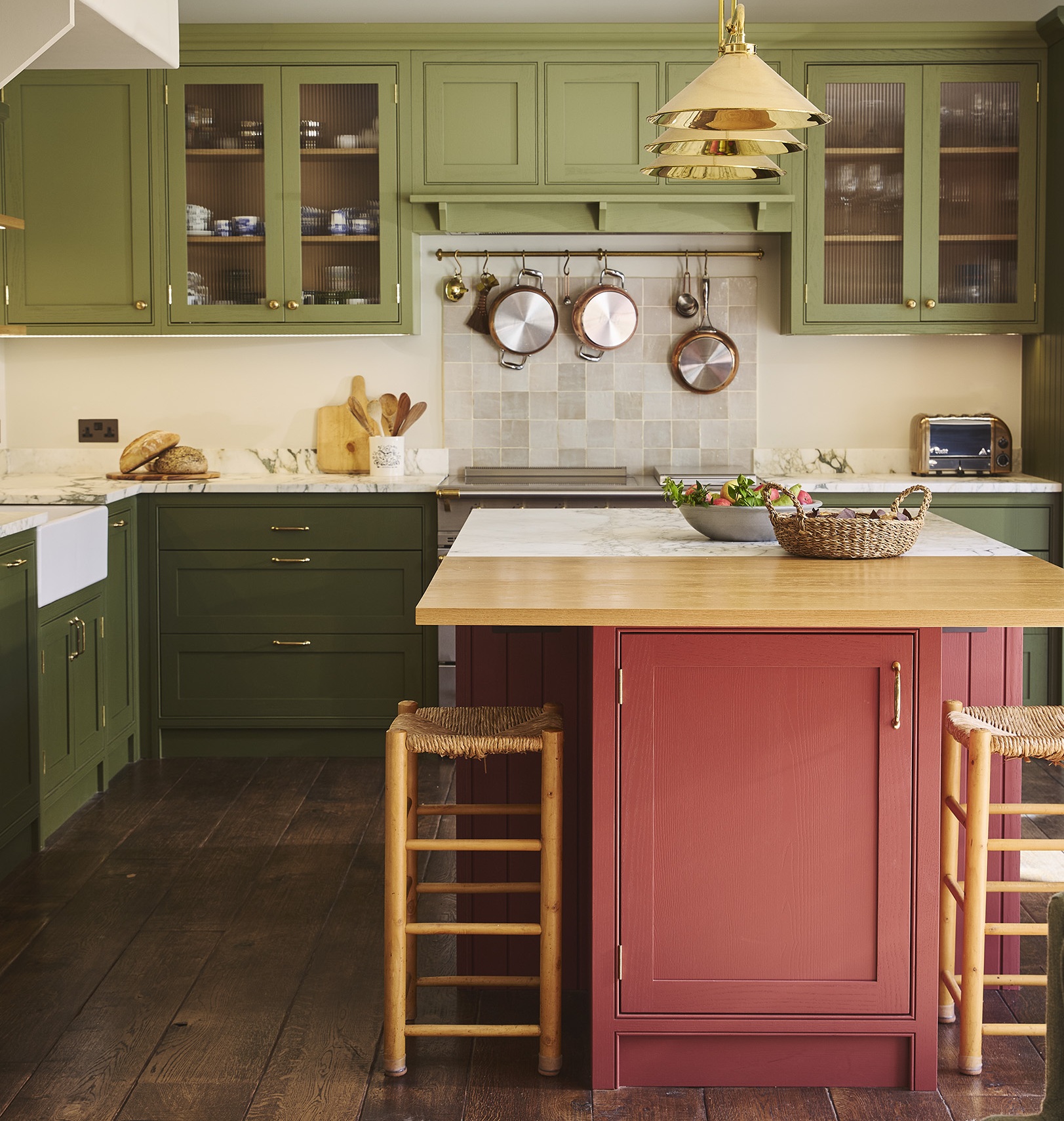
Thinking long-term: choosing something you’ll still love
Trends come and go, but what lasts is how a kitchen feels to live with. When choosing a worktop, it’s worth thinking beyond first impressions. How will it age? Can it be refreshed or repaired? Will it still feel good once the novelty has worn off?
Natural materials tend to tell a story over time. Wood deepens and marble develops character as surfaces acquire marks of use. For many people, that sense of life and history is exactly what makes a kitchen feel like home.
Others prefer materials that stay looking much the same year after year - which is also fine. Longevity is about physical durability but also your aesthetic satisfaction over time.
So… what is the best kitchen worktop?
The best kitchen worktop is the one that supports your life rather than dictating it. It’s the surface that makes cooking easier and everyday use feel a little bit better. It balances practicality with pleasure, and it feels right not just on day one, but years down the line.
Your kitchen isn’t standard, and neither is the way you use it. So rather than starting with a predetermined worktop choice, we look at the whole picture: the cabinetry, the proportions and nature of the room, and your daily life within it. Then we help you choose a surface that genuinely fits.
If you’d like help exploring the options, we’re always happy to talk. Or you can browse our kitchen worktops gallery to see how different materials come to life in real homes.
See also:
Kitchen Worktop Ideas: Materials, Styles & Expert Guide
Cleaning and caring for kitchen worktop surfaces - tips for all types of material


-800x600.webp "Designing a kitchen for busy family life")

-800x600.webp "The most common kitchen layout mistakes (and how to avoid them)")