No products match your search.
Kitchen Style Inspiration: Contemporary British
Written by Andrew Nixon
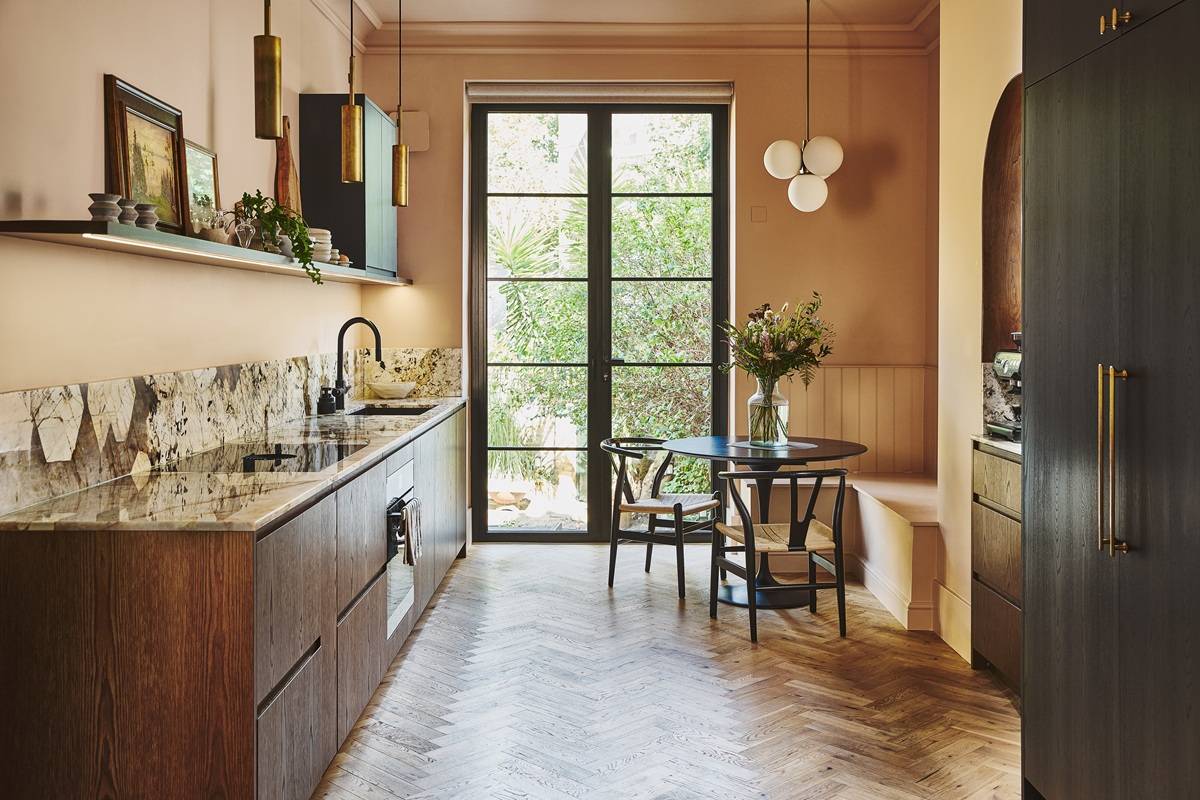
Contemporary British kitchens are harder to pin down than most styles, because there isn’t really a single look.
Instead there’s a certain feeling – the word people often use is ‘considered’. These kitchens feel balanced, and comfortable in their own skin.
They draw on a long tradition of British interiors – country houses, townhouses, practical working kitchens – but without trying to recreate any of them too faithfully. The result is something that feels familiar yet not nostalgic, and current, but not driven by trends.
What defines a Contemporary British kitchen?
It isn’t a glaringly obvious style with definitive features, but a few characteristics crop up in a kitchen we’d call Contemporary British, including:
- A mix of influences rather than a single, fixed style
- Cabinetry that feels solid and well made, and probably quite simple
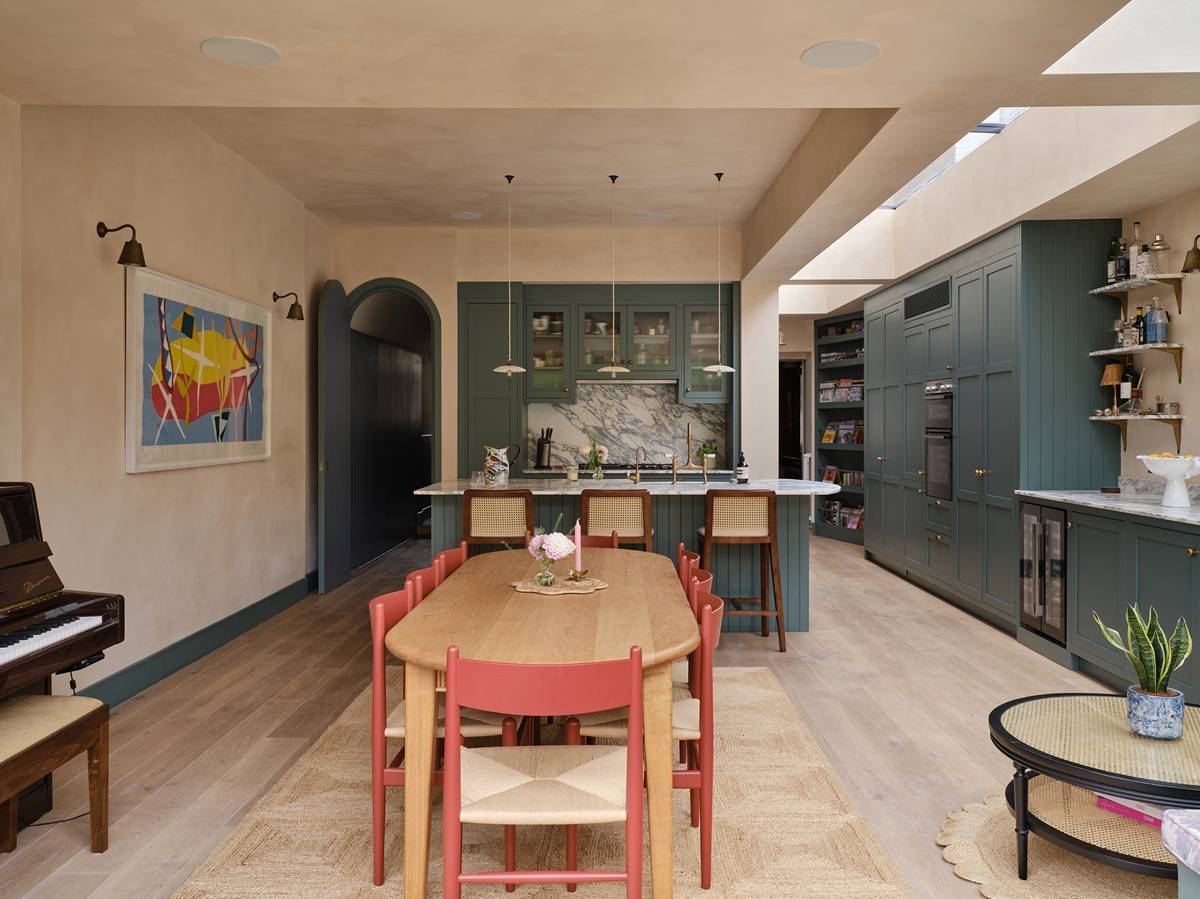
- Colours that have some depth to them – rarely bright or stark
- High quality materials that improve with use
There’s usually a sense that the kitchen could have come together gradually (even when it hasn’t).
Where the style comes from
British interiors have always been good at absorbing influences. Over the years, ideas have come in from Europe, from Scandinavia, from further afield – and then been adapted and usually softened.
In kitchens, you’ll see elements of Shaker, farmhouse and of more modern minimal spaces. They’re combined and adjusted, and made to work in the context of real homes – very often older buildings and period properties with their own quirks and constraints.
That process of adaptation is really what defines Contemporary British. It’s not at all about getting something “right” according to some abstract architectural or design principles, it’s about tinkering with things and adjusting the balance until it all feels right.
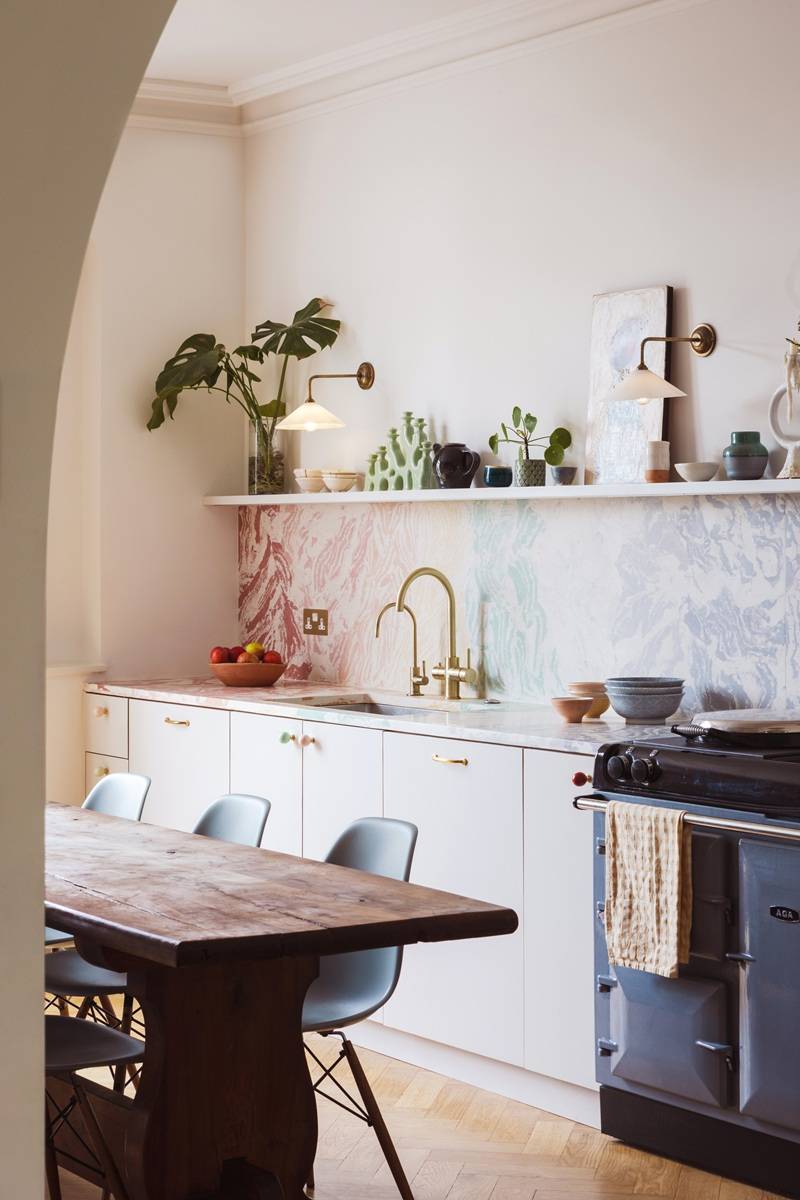
The Haringey kitchen
How to introduce Contemporary British style into your own kitchen
A word designers often use here is ‘editing’, adjusting elements until they sit comfortably together and you get that ‘ah, that’s right now’ feeling.
Here are some ways to approach it:
1. Mix influences – but don’t make a feature of it
A Contemporary British kitchen will often borrow from several directions at once.
You might have:
- a Shaker-style door alongside more minimal elements
- traditional proportions paired with modern appliances
- older materials used in a more restrained way
The important thing is that the mix doesn’t feel overly forced. It should seem natural, maybe even slightly accidental.
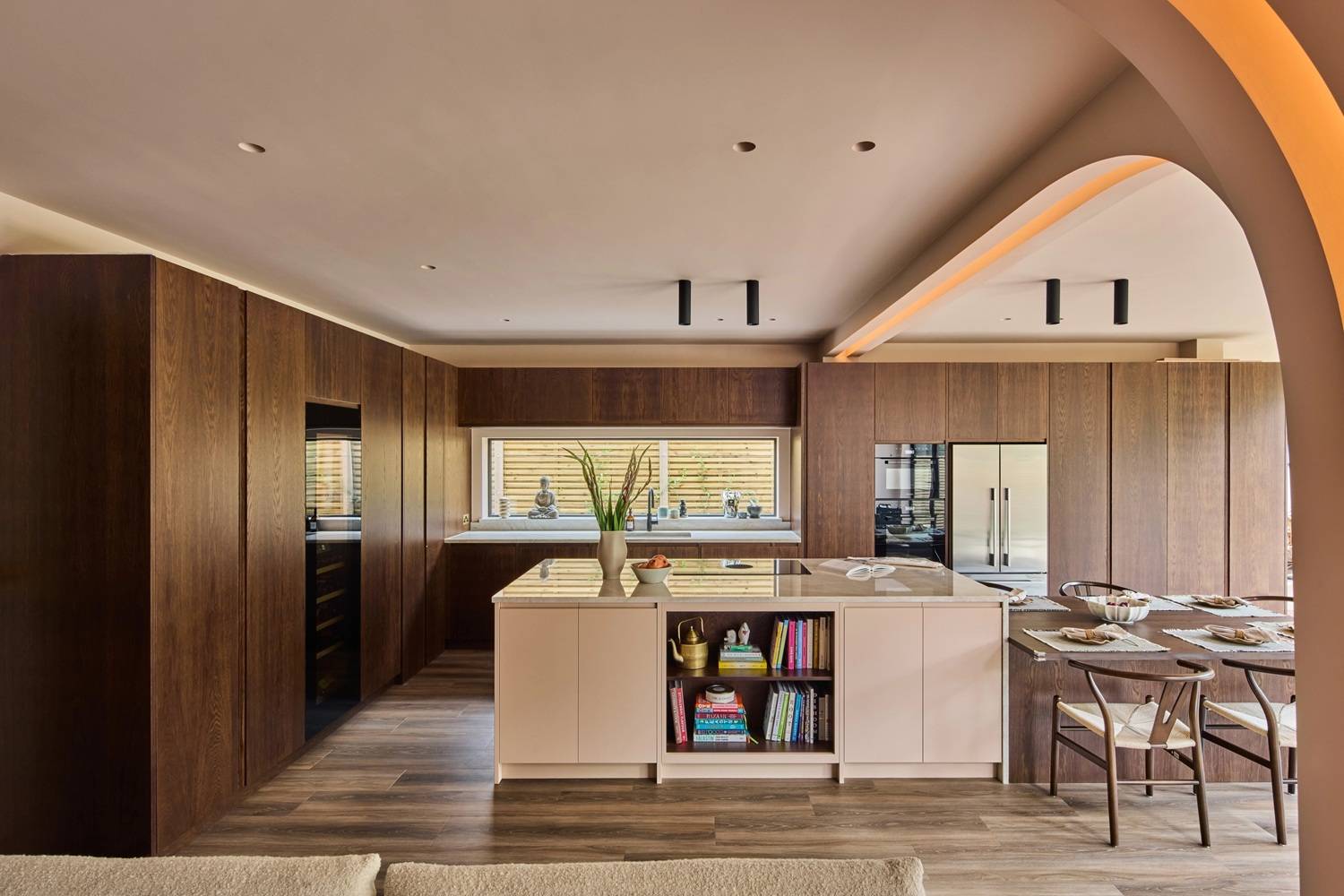
2. Choose colours with some weight to them
Very bright or very stark colours tend not to feature. Instead, you’ll often see:
- softened greens
- muted blues
- warm neutrals
- off-whites with a bit of depth
Colours that change subtly with the light, and don’t tire quickly.
3. Let materials age
Timber, stone and painted finishes that pick up marks and wear all tend to work well here. There’s no need for everything to stay pristine. In fact, a bit of wear often helps the kitchen settle into the rest of the house. Not too precious, in other words.
4. Keep the layout practical
However considered the aesthetic, these kitchens are still built around everyday use.
They should have clear work surfaces and logical storage, and ideally, enough room for more than one person to be in the space without getting in each other’s way.
5. Edit, rather than add
If something feels slightly too much, it probably is.
Contemporary British kitchens tend to arrive at their final form through subtraction: taking things away until what’s left feels balanced.
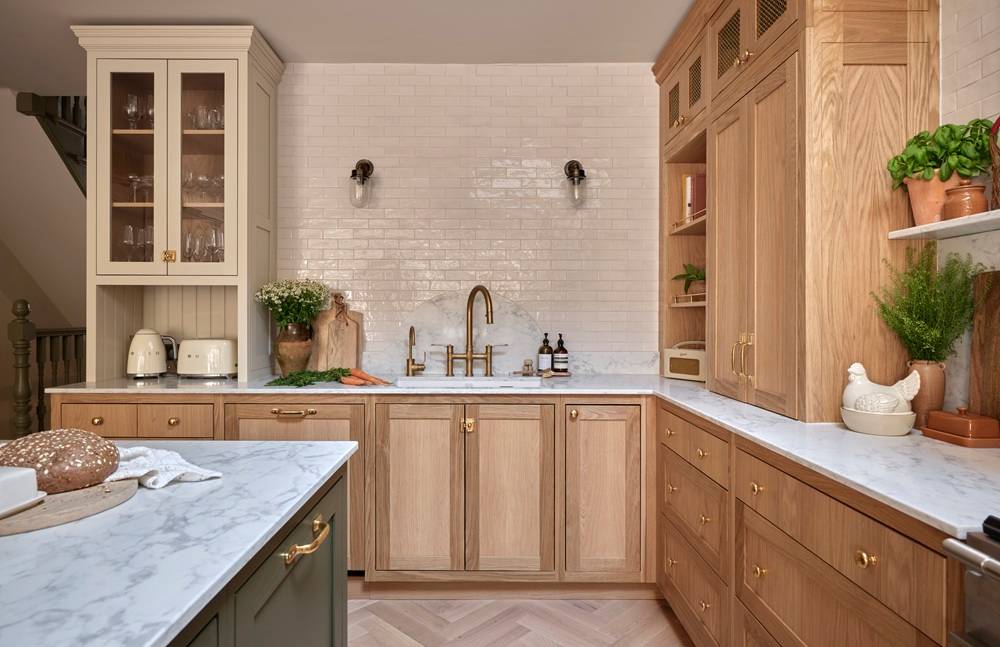
The Barnes kitchen
Why we’re drawn to Contemporary British kitchens
As designers, one thing we love about the Contemporary British approach, ironically, is that they don’t feel overly designed. There’s no obvious reference point or clear trend to date them.
They feel like they belong to the house they’re in – and to the people using them.
That’s very liberating – it means you’re not working under any artificial limitations. And it also means they can evolve with you: you can add to them over time, change things, and of course, live with them. Which is what kitchens are all about: working for real life.
Browse our portfolio to see how this way of thinking plays out across different homes.
Inspired? Whatever your style, we can design and build a kitchen that’s uniquely tailored to your home – and the way you live in it. Get started today.
See also:
Kitchen style inspiration: Rustic Farmhouse kitchens
Kitchen style inspiration: English country house kitchens
Request a Brochure
To receive a digital copy of our brochure and regular updates from us, please complete your details below.