Contemporary doesn’t have to mean cold — here’s how to create a kitchen that feels wonderfully warm and very ‘now’...
Say “contemporary kitchen” and most people picture glossy white cabinets, seamless doors, handle-free everything. Sleek, yes – but often a bit clinical. At Naked, we think that’s selling the idea short.
Because contemporary isn’t really a look at all. It’s not a rulebook of slab doors and neutral palettes. Contemporary simply means now. It’s about designing for the way you live today. Which means a “contemporary kitchen” might be minimalist oak cabinetry… or it might be bold-coloured Shaker doors, a marble-topped island, or even a mix of vintage and modern.
The real question isn’t how to follow a style label — it’s how to create a space that feels both current and properly welcoming. Here are some ways to do just that.
1. Bring in natural materials
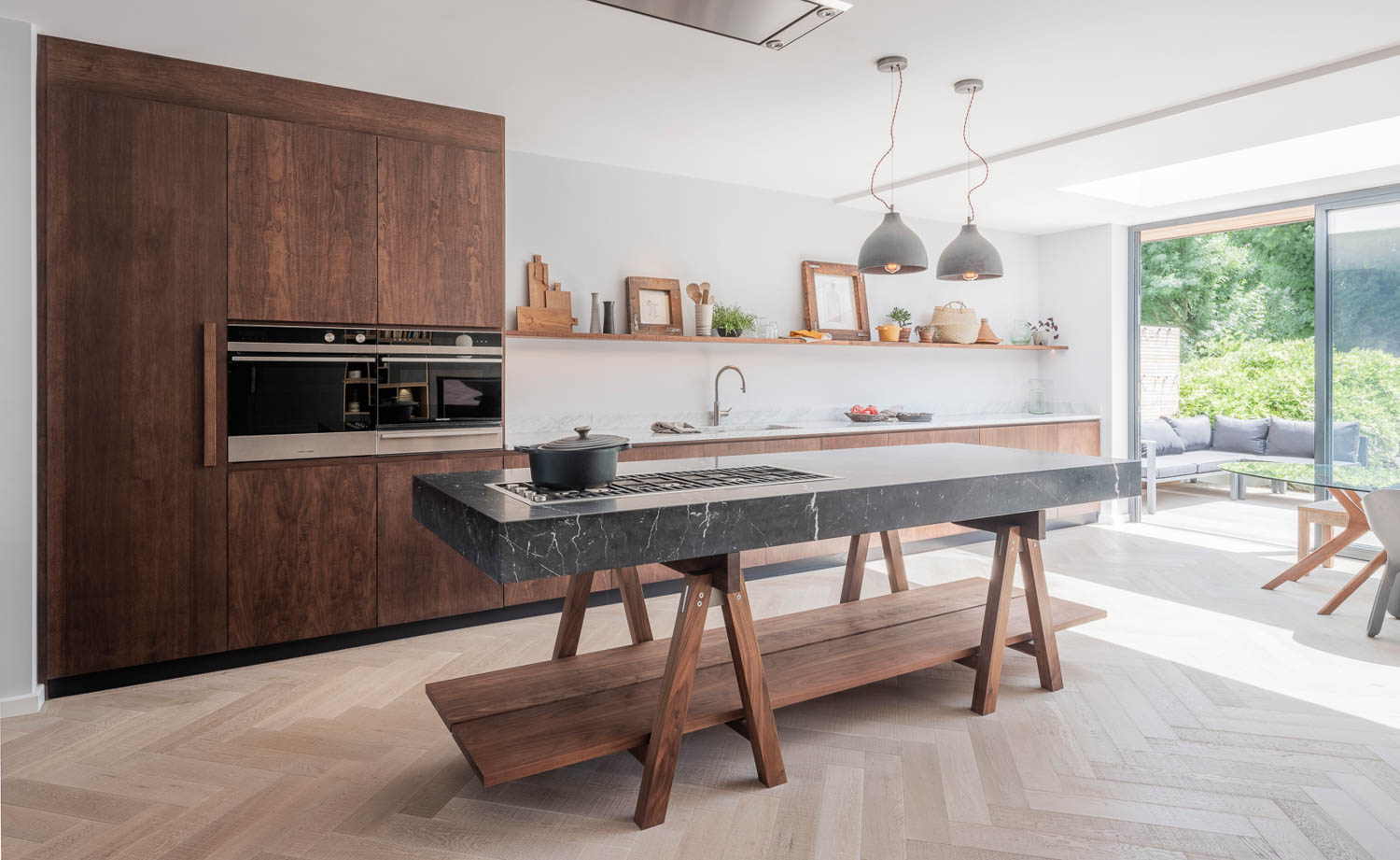
If contemporary gets a bad name for being cold, the quickest antidote is wood, stone and warm metals. They add tactility and warmth to otherwise sleek spaces.
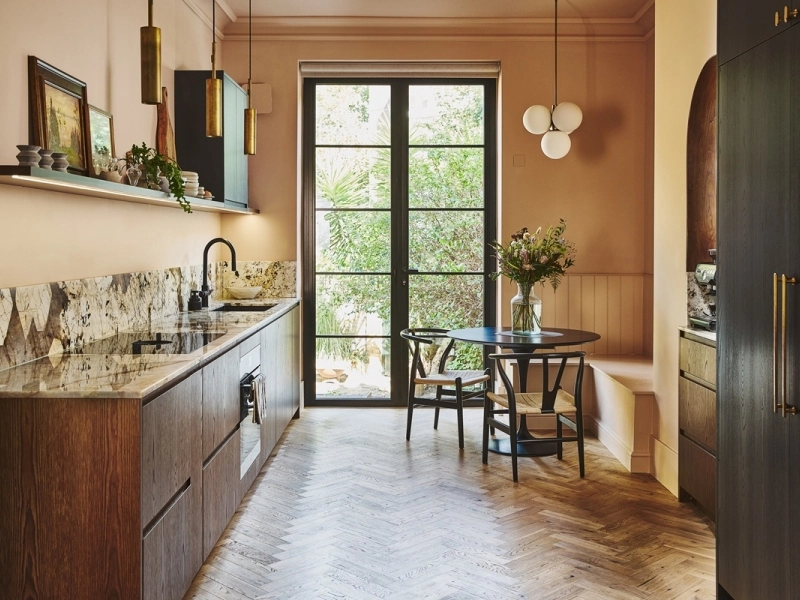
In the Highgate kitchen, handleless walnut cabinetry sits alongside marble and oak flooring — a mix that shows how organic materials can soften clean modern lines without losing elegance.
Get more inspiration in our guide Why we love natural materials in the kitchen
2. Add warmth with colours (even neutral ones)
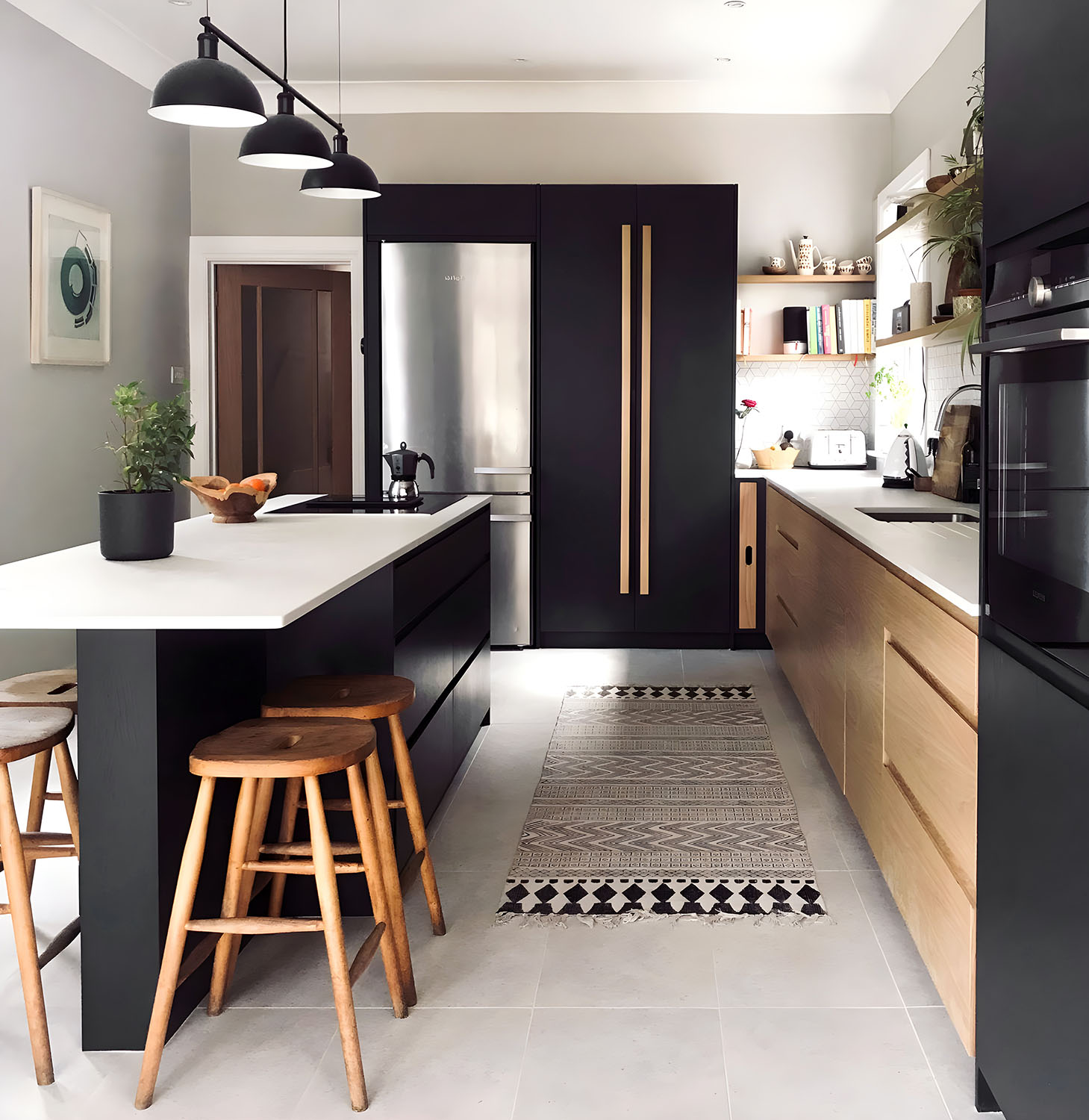
Too often “neutral” is interpreted as chilly white. But neutrals can be warm too, and richer tones can give contemporary design more depth.
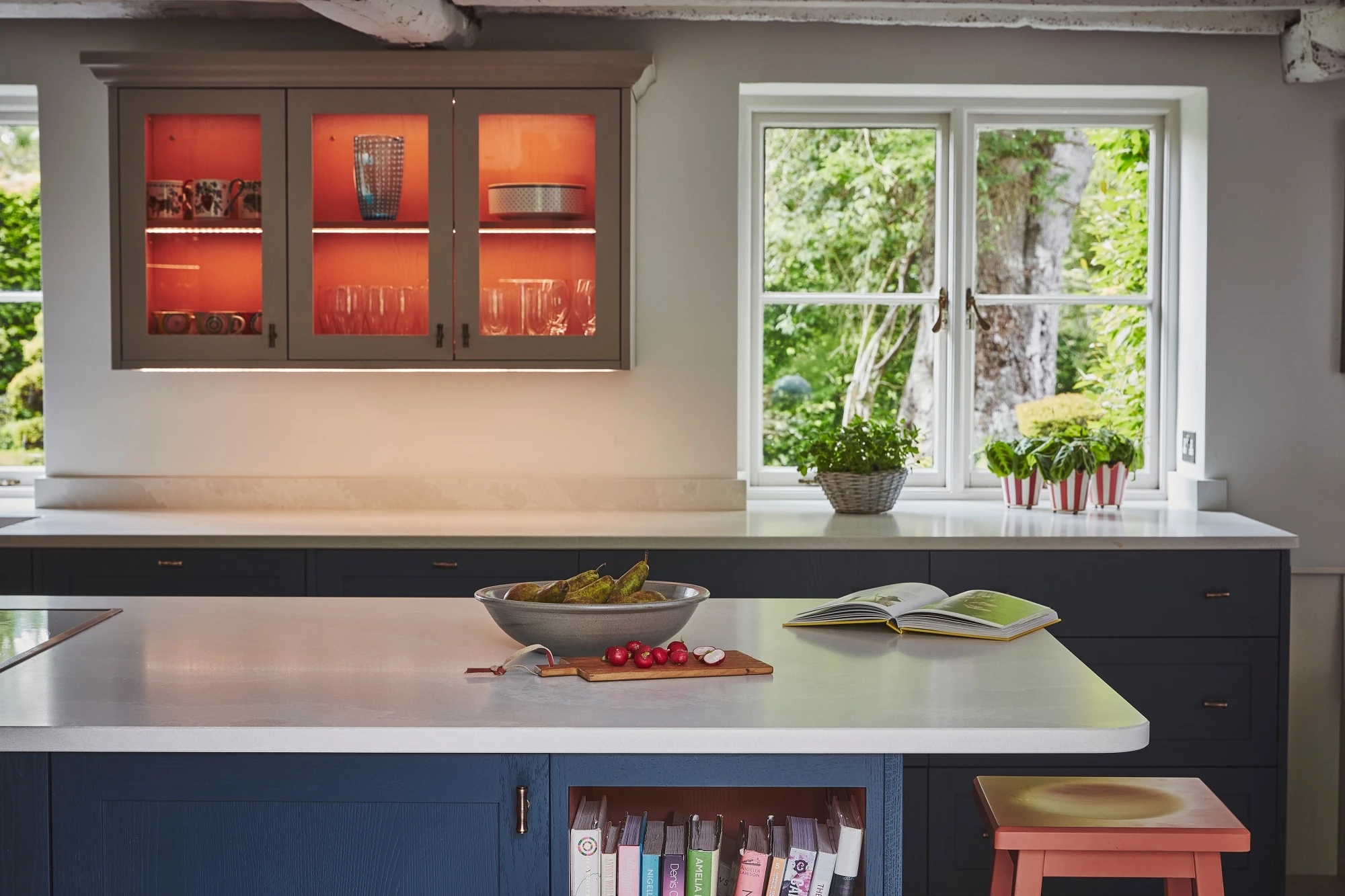
The Cranbrook kitchen demonstrates this: Oyster Catcher black acts as a grounding neutral, but it’s balanced by oak, open shelving and pale worktops. The contrast proves you can have a modern palette that still feels welcoming.
See more in our guide Choosing colours for your kitchen – an expert guide
3. Introduce texture and contrast
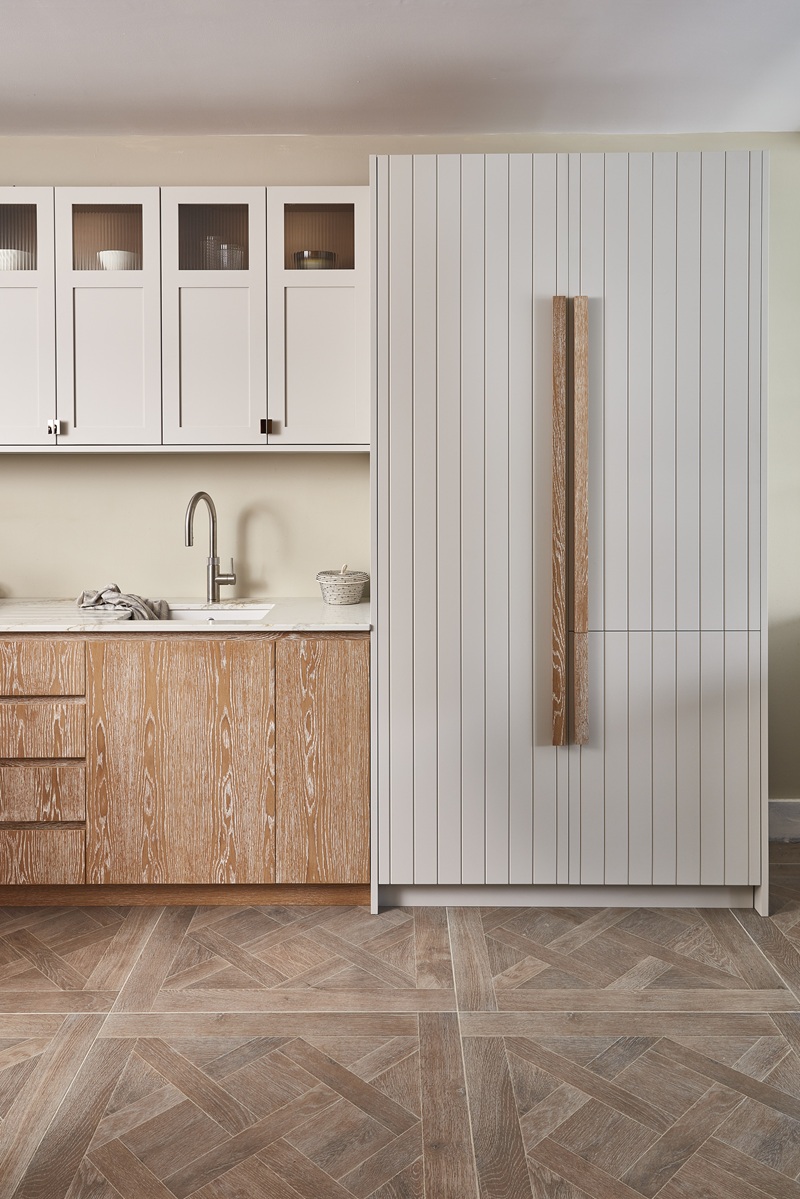
Flat surfaces alone can feel sterile. Contrasting textures bring life and complexity to a contemporary kitchen.
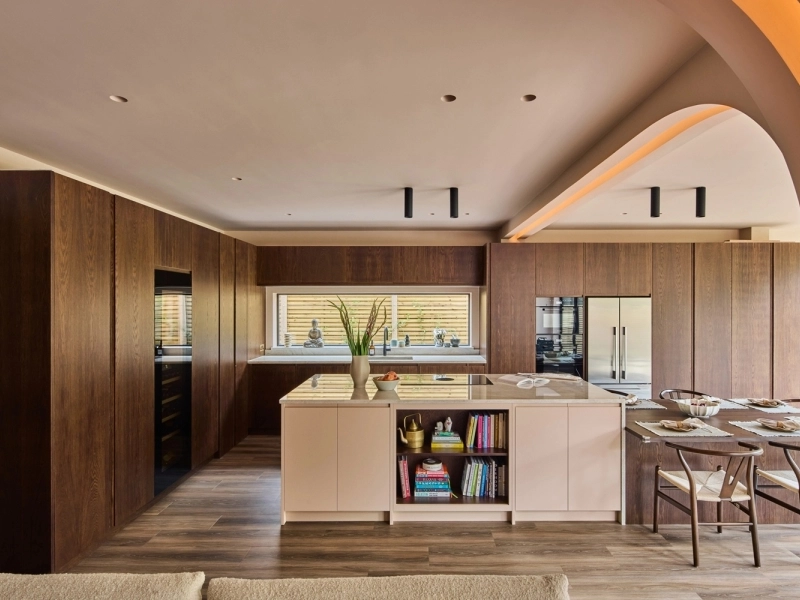
The Staithe kitchen combines brushed oak grain with quartz worktops and metallic handles — layering smooth against tactile. The effect is calm but characterful, showing how texture can turn restraint into richness.
See also: Texture in Kitchen Design: why everybody’s talking about it, and how to bring it into your kitchen
4. Layer your lighting
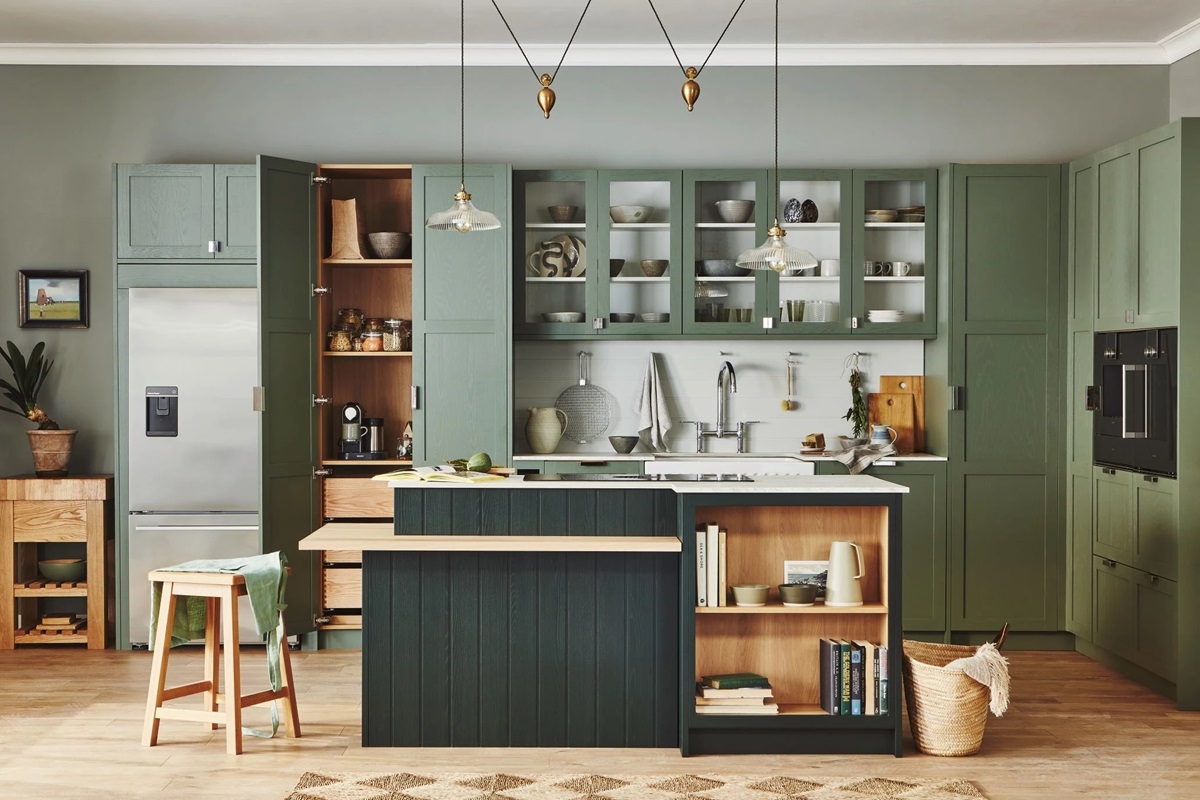
Lighting is where atmosphere lives. Relying on a single source — like a ceiling full of spots — tends to give you glare and shadows. Instead, combine ambient, task and accent lighting so you can change the mood as easily as you change the activity.
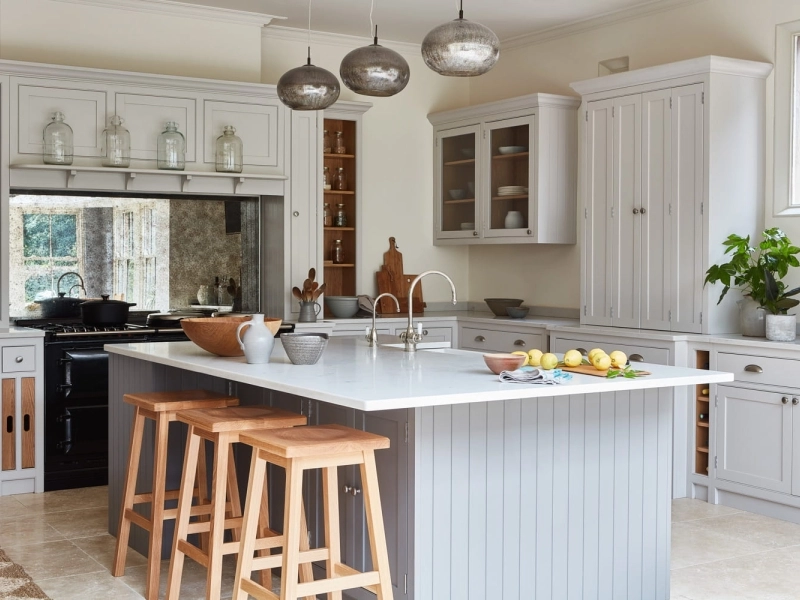
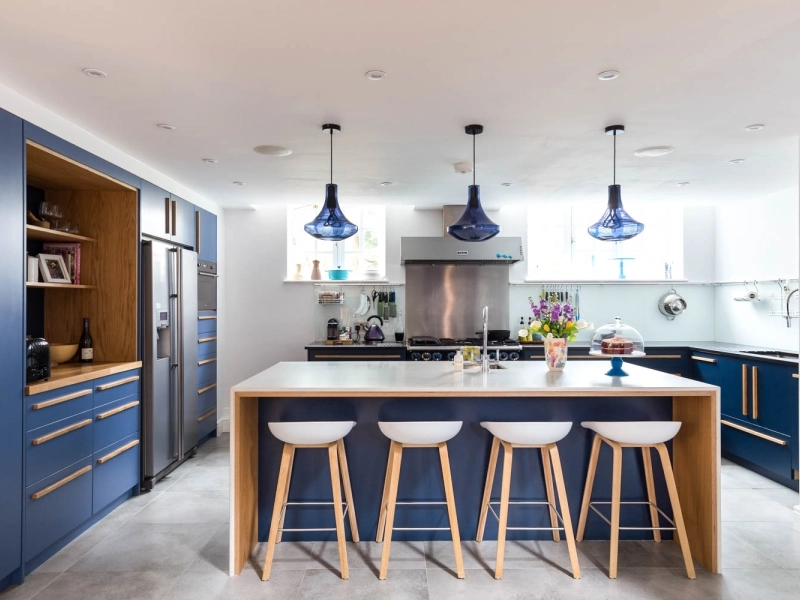
In our Glaven kitchen, pendant lights above the island create a natural focal point and can be adjusted to suit the moment – brighter and lower when you’re cooking, softer and higher when you’re entertaining. It’s a reminder that flexible lighting isn’t just decorative; it makes a contemporary kitchen feel warm and alive.
5. Add those human touches
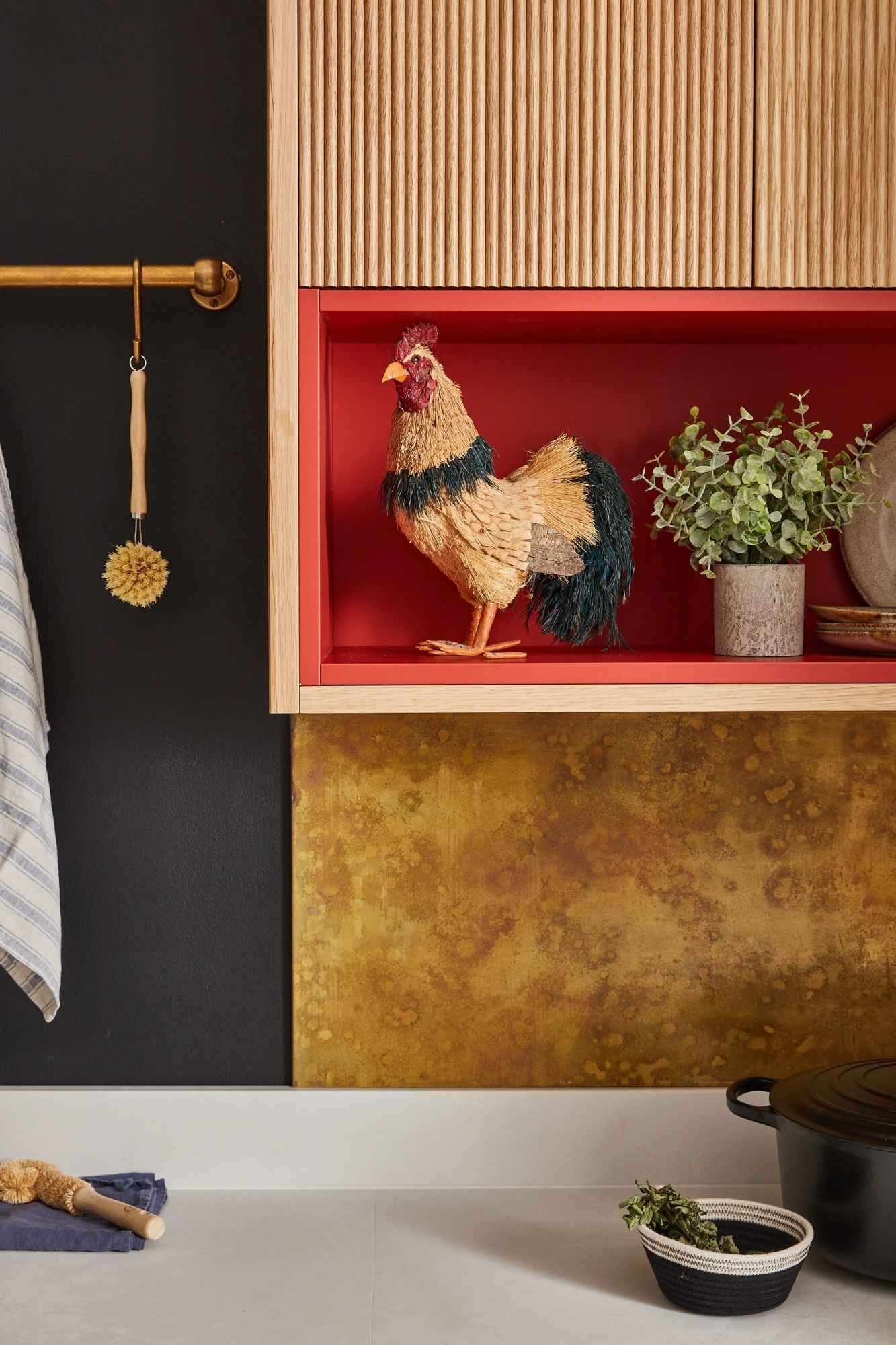
And finally, don’t forget the personal. A vintage piece, a framed print, a houseplant or two. These are the things that say: this isn’t just a smart kitchen — it’s a lived-in, much loved, human space.
Don’t let “contemporary” trap you in a cold, minimalist cliché! True contemporary is a mindset: it's about designing for you, for the now — which means a kitchen that feels as warm as the people who live in it.
Get started on your dream kitchen journey.
See also:
The Naked Guide to Transitional Kitchens
Kitchen style inspiration: Maximalism
How to choose a colour scheme for your kitchen

-800x600.webp "Designing a kitchen for busy family life")